Discover Korea through places, culture, food, and more.

Author: Kignal Editorial Team

  • A Visitor’s Guide to Wolmido, Incheon

    A Visitor’s Guide to Wolmido, Incheon

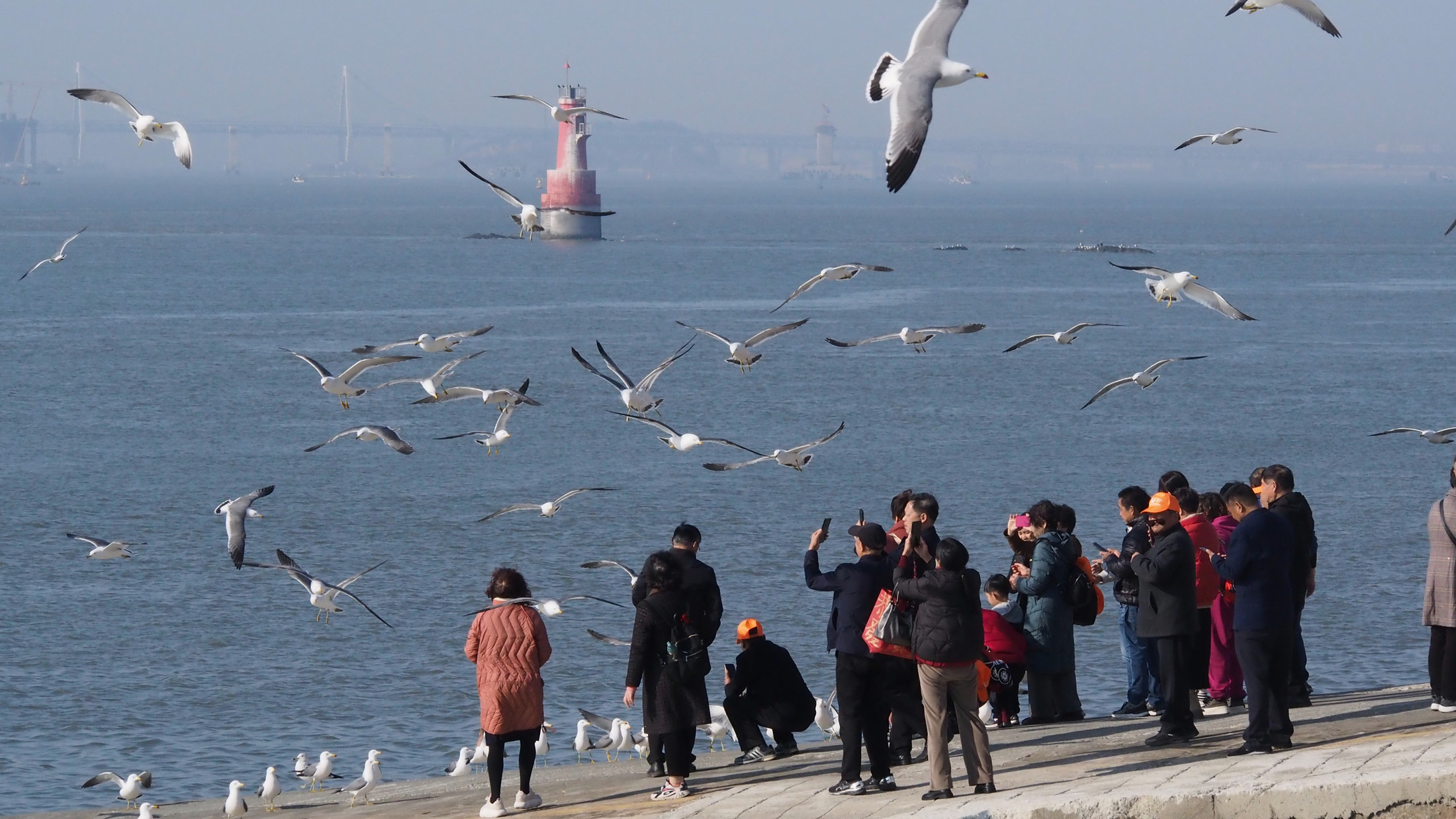
    Photo: Jun Jie Yam / Wikimedia Commons, CC BY 4.0. Adapted for display.

    Plan your Wolmido visit with current access, transport, and experience details—plus how to connect with Incheon’s Chinatown and Open Port.

    Why Visit Wolmido? Value and Context

    Wolmido is described by Incheon City as a mainland-connected visitor area, featuring Wolmi Culture Street, an amusement park, restaurants, Wolmi Park, and the Wolmi Observatory. This mix of attractions makes Wolmido suitable for families, couples, and solo travelers seeking entertainment, culture, and relaxation.

    Wolmi Culture Street is a waterfront area with cafes and seafood restaurants. The Wolmi Special Tourist Zone also includes modern-history attractions and is close to Incheon’s Chinatown, adding cultural and historical interest for visitors.

    Experiencing Wolmido: Attractions, Food, and Visit Structure

    The Incheon National Maritime Museum is open from 10:00 a.m. to 6:00 p.m., with last admission at 5:30 p.m. It is closed on Mondays, January 1, Lunar New Year’s Day, and Chuseok. Admission is free. The museum presents maritime history exhibits and is a practical starting point for a Wolmido visit.

    The Wolmi Sea Train runs a 6.1-kilometer loop with four stations, taking about 35 minutes for a full circuit. Regular adult fares are ₩11,000 on weekdays and ₩14,000 on weekends and public holidays. From April to October, the train operates 10:00 a.m.–6:00 p.m. Tuesday–Thursday and 10:00 a.m.–7:00 p.m. Friday–Sunday and holidays. From November to March, hours are 10:00 a.m.–6:00 p.m. The train is closed on Mondays unless Monday is a public holiday, in which case it operates and closes the next nonholiday.

    Wolmi Park offers green space for walking or relaxing, while Wolmi Culture Street is lined with cafes and seafood restaurants. The area’s waterfront setting and proximity to Chinatown provide a range of dining and cultural options, without unsupported claims about price or quality.

    For a train-focused visit, start at Wolmi Sea Station, ride the loop, and choose a stop for Wolmi Park or Wolmi Culture Street. After returning to the Incheon Station area, use bus 45 from Exit 1 for the National Maritime Museum; its visitor stop is a one-minute walk away. If the museum is your priority, confirm the day’s train ticketing and first-boarding rules before reversing this order.

    Arrival: Getting to Wolmido from Incheon Station and Seoul

    Incheon Station is served by Incheon Metro Line 1. Visitors arriving from Seoul or central Incheon should use a current transit planner to confirm their route and any required transfers for their specific date. From Incheon Station Exit 1, take bus 45 to Wolmi Theme Park (about a one-minute walk from the park), bus 10 to Wolmido Terminal (about a nine-minute walk), or bus 2 to the Wolmido City Tour stop (about an 11-minute walk).

    Access, Limitations, and Connecting to Incheon’s Chinatown

    The Incheon National Maritime Museum operates 10:00 a.m.–6:00 p.m. with last admission at 5:30 p.m., and is closed Mondays, January 1, Lunar New Year’s Day, and Chuseok. Admission is free. The Wolmi Sea Train’s last full-loop departures from Wolmi Sea Station are around 5:05–5:10 p.m. on 6 p.m. closing days and 6:05–6:10 p.m. on 7 p.m. closing days. Service may be suspended due to weather or equipment issues, so check for updates before visiting.

    Wolmido’s public areas are listed as year-round accessible, with accessible parking and restrooms. Wheelchair or stroller rentals are available at the tourist information center, subject to on-site availability.

    Advance online ticket holders for the Wolmi Sea Train must make their first boarding at Wolmi Sea Station near Incheon Station. Weather or facility problems can stop service, so check the operator’s notice before setting out.

    For the return journey, visitors can use the same bus routes from Wolmido back to Incheon Station. Incheon Station connects to Incheon Metro Line 1 for onward travel to Seoul or other parts of Incheon. Travelers should verify their return route and schedule using a current transit planner, as this guide does not supply last-service times.

    For more on the historic district and nearby sights, see the Incheon Chinatown and the Open Port guide and the Incheon destination guide.
  • A Visitor’s Guide to Songdo Central Park, Incheon

    A Visitor’s Guide to Songdo Central Park, Incheon

    Photo: Vincent van Zeijst / Wikimedia Commons, CC BY-SA 4.0. Adapted for display.

    Plan your visit to Songdo Central Park with verified details on its setting, activities, access, and nearby attractions in Incheon.

    Why Visit Songdo Central Park?

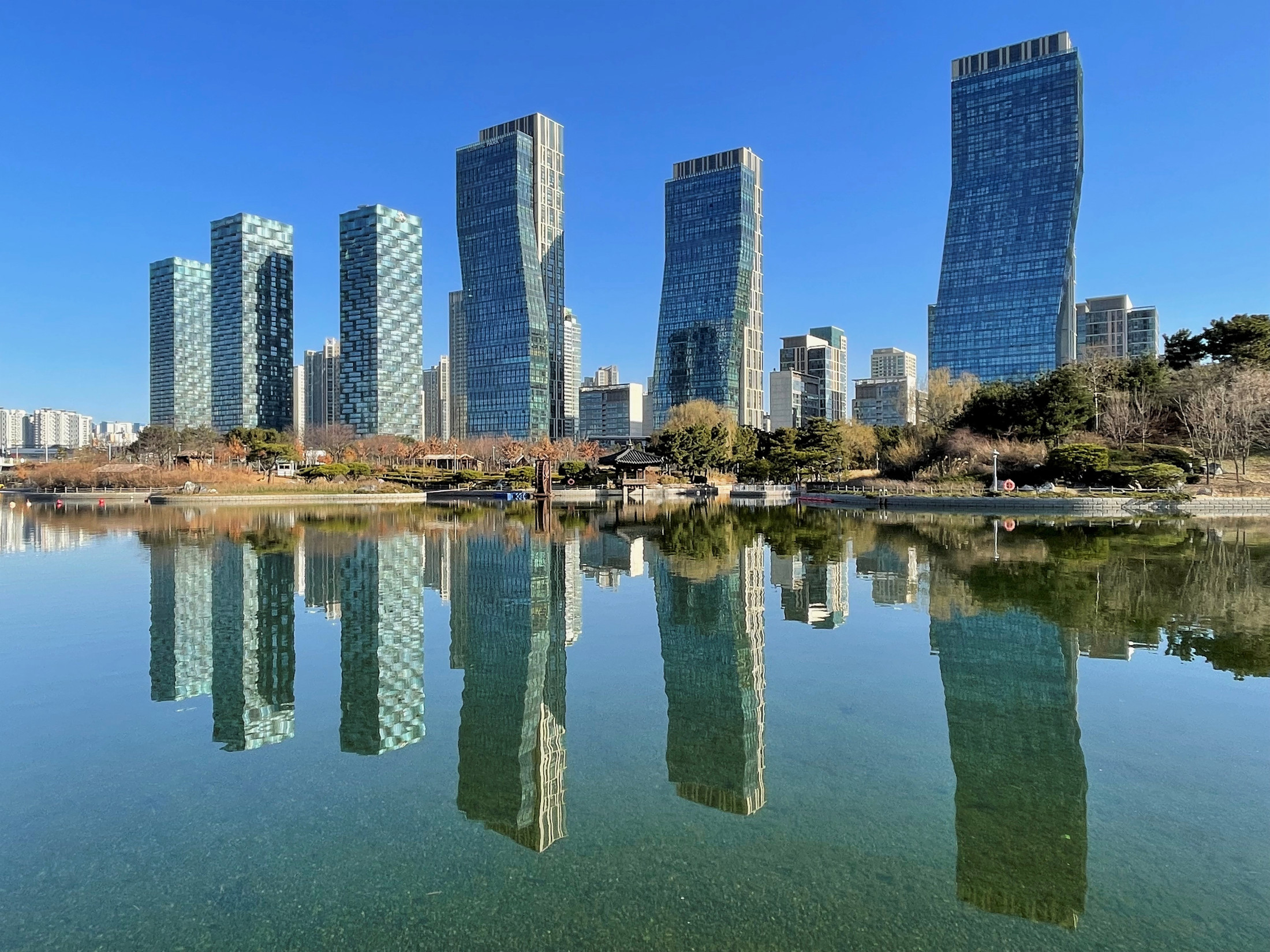
    Songdo Central Park, located at 160 Convensia-daero in Yeonsu-gu, Incheon, is a modern public park designed around a 1.8-kilometer artificial seawater canal. The park features landscaped gardens, open lawns, and a hanok area, blending contemporary urban planning with Korean cultural elements. This setting appeals to families, travelers seeking green spaces, and visitors interested in both relaxation and local heritage within a planned city environment.

    The park’s layout encourages walking, picnicking, and exploration of both natural and cultural features. With its combination of gardens, lawns, and traditional architecture, Songdo Central Park offers a quieter alternative to busier city areas and is suitable for a range of visitors, including families and those interested in Korean heritage.

    What to Do and See in Songdo Central Park

    The park’s main attraction is its seawater canal, lined with gardens, lawns, and a hanok area. Visitors can stroll along the canal, relax on the lawns, or explore the traditional architecture. The east and west boat houses offer water taxi, canoe, and boat activities, but each operator sets their own schedules and terms. Visitors should check directly with activity providers for current availability.

    The Incheon Urban History Museum, at 238 Incheon tower-daero, is located near the park and offers exhibits on the city’s development. The museum is open from 9:00 a.m. to 6:00 p.m., with last admission at 5:30 p.m. It is closed Mondays except holidays and on January 1, and admission is free.

    A practical visit can start with a walk along the canal and through the gardens, then continue to the Incheon Urban History Museum. For a shorter outing, focus on the canal and hanok area. The park does not list food vendors, so plan to eat in the surrounding Songdo district rather than inside the park itself.

    G-Tower’s 29th-floor Sky Garden, reopened as of October 15, 2026, provides panoramic views on weekdays from 1:30 p.m. to 6:00 p.m. (last entry 5:45 p.m.). It is closed weekends and public holidays, requires ID registration at the first-floor desk, may close in bad weather, and limits occupancy to 50 people.

    For meals near the park, Songdo Cafe Street is described as a row of cafes and restaurants in the nearby area. Each business operates its own menu and hours, so visitors should check directly with individual venues for current options.

    Getting to Songdo Central Park

    First-time visitors can reach Songdo Central Park by taking Incheon Metro Line 1 to Central Park Station. A route planner should be used to determine available transfer options from your starting point. Exit 3 at Central Park Station leads toward the Incheon Urban History Museum at 238 Incheon tower-daero, which serves as a useful map reference and starting point. Because the park covers a large area, confirm your preferred entrance before your visit, as the Exit 3 direction is for the museum and does not guarantee direct park access.

    Access Rules, Closures, and Planning Resources

    Songdo Central Park is a public park with walking gardens and boat houses. Individual activity operators set their own service schedules and prices, so check directly with providers for current terms. The Incheon Urban History Museum is open from 9:00 a.m. to 6:00 p.m., last admission 5:30 p.m., closed Mondays except holidays and on January 1, with free admission. G-Tower Sky Garden is open weekdays 1:30–6:00 p.m., last entry 5:45 p.m., closed weekends and public holidays, requires ID registration at the first-floor desk, may close in bad weather, and limits occupancy to 50 people.

    For planning a wider Incheon trip, published Kignal guides such as the Incheon Chinatown and the Open Port guide and the Incheon destination guide offer additional context and practical details for nearby districts.

  • Where to Buy Korean Skincare in Seoul: Olive Young and Beyond

    Where to Buy Korean Skincare in Seoul: Olive Young and Beyond

    Photo: Sgroey / Wikimedia Commons, CC BY-SA 4.0. Adapted for display.

    Start your Korean skincare shopping in Seoul at Olive Young Myeongdong Town Store and understand how to plan your visit, request a tax refund, and check eligibility rules.

    The practical answer

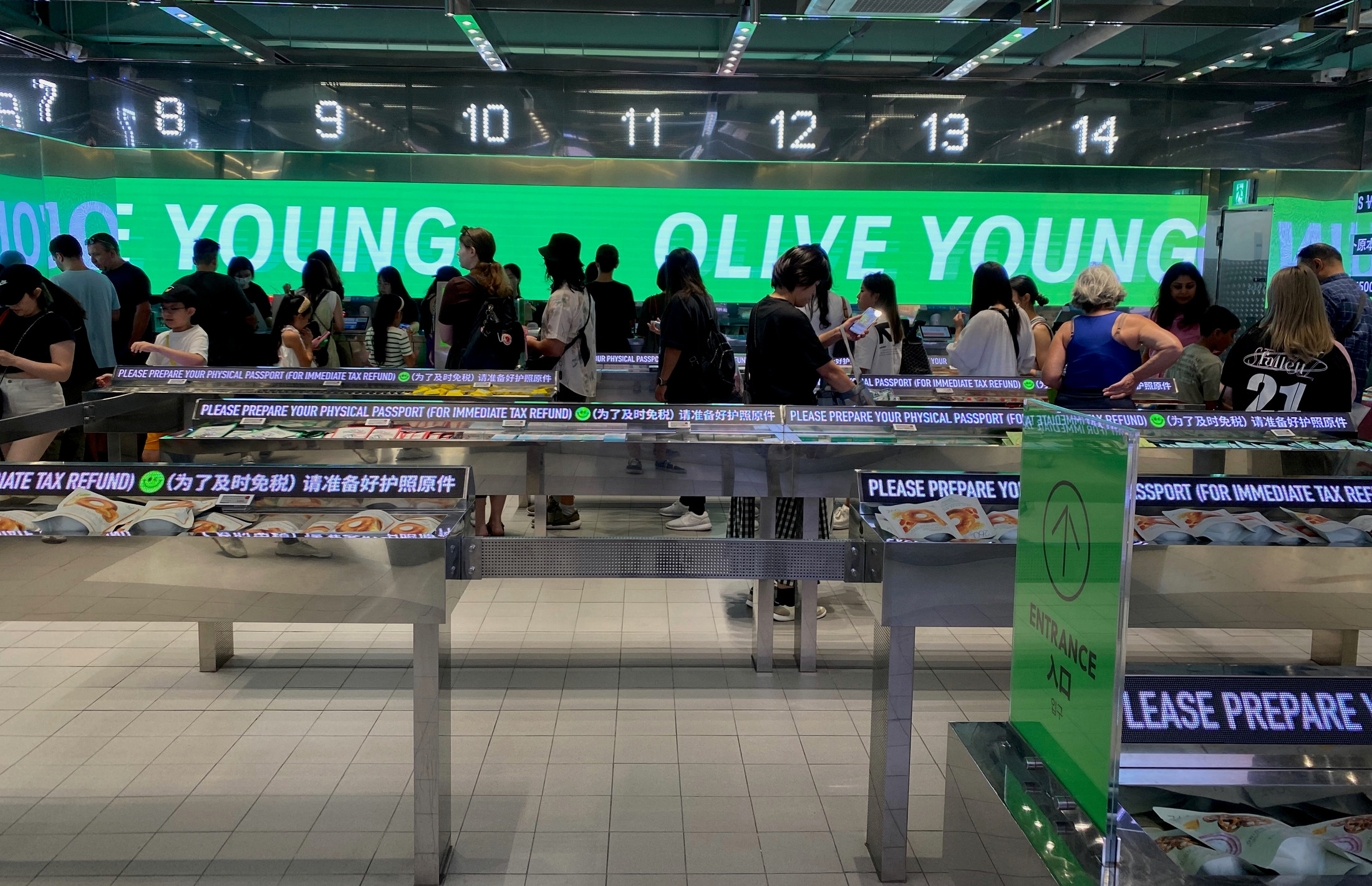
    A practical starting point for browsing Korean skincare in Seoul is the Olive Young Myeongdong Town Store at 53 Myeong-dong-gil, Jung-gu. Olive Young is described as a multi-brand beauty and health retailer, and its Myeongdong Town location offers a range of cosmetics brands for visitors to try before purchase. The store accepts both cash and card payments and provides a tax refund service for eligible international visitors. Before visiting, verify the branch listing for the most current details.

    VISITKOREA also lists Sulwhasoo flagship locations in Bukchon and Gangnam. Its page describes a reservation-only traditional Korean medicine spa program, so confirm current store access and any program reservation directly with the branch rather than assuming the program is a walk-in shopping service.

    Planning your visit and tax refund process

    To plan a visit to Olive Young Myeongdong Town Store, go to 53 Myeong-dong-gil, Jung-gu, Seoul. The store's published hours are 10:00 to 22:30, but you should check the branch listing before your visit to confirm current hours and services.

    To request a tax refund at Olive Young, eligible non-Korean visitors must spend at least ₩15,000 in a single transaction on goods that are new, unopened, and unused. Show your passport at the time of purchase and keep your receipts, as these are required for the refund process.

    Immediate tax refunds at participating stores are available if your single payment is at least ₩15,000 and less than ₩1,000,000, with total purchases during your trip not exceeding ₩5,000,000. Only non-Korean visitors staying less than six months are eligible, and you must depart Korea within three months of purchase for the refund to apply.

    What to check

    Tax refund eligibility at Olive Young and similar stores requires that you are a non-Korean visitor staying less than six months, spend at least ₩15,000 per receipt on new, unopened, and unused goods, and depart Korea within three months of purchase. Present your passport at the time of purchase to process the refund.

    Distinguish between duty-free and tax refund shopping: duty-free retail excludes specified taxes from the sales price, while a tax refund allows eligible travelers to claim back taxes paid on qualifying goods at participating stores.

    Refund amounts and processing periods may vary, so always check the latest refund details before making purchases. The VISITKOREA tax-refund guide was last updated October 21, 2025, and store hours or refund rules may change. Confirm current information before your visit. For broader trip planning, see the Kignal destination guides.

  • Money in Korea: Cash, Cards, ATMs and Currency Exchange

    Money in Korea: Cash, Cards, ATMs and Currency Exchange

    Photo: Lofor / Wikimedia Commons, CC BY-SA 4.0. Adapted for display.

    A practical guide to paying in South Korea as a visitor: Korean won notes and coins, where to exchange money, using foreign cards at ATMs and Seoul subway ticket machines, and what still needs cash, based on official sources checked in November 2026.

    Quick answer

    Bring a card that works abroad and some Korean won in cash. Korea’s currency is the won, with banknotes of 1,000 won, 5,000 won, 10,000 won, and 50,000 won. Banks and government-certified exchange booths exchange money, and ATMs marked with a “Global” sign accept international cards. Since March 17, 2026, 440 ticket machines at 273 stations on Seoul subway Lines 1 to 8 have accepted overseas-issued credit and debit cards, but card payment there covers single-journey tickets and Climate Card passes, so keep won in cash for topping up a standard T-money card. These details were checked on official pages on November 17, 2026 (Korea time).

    Notes, coins, and what to carry

    The Seoul Tourism Foundation’s visitor page listed banknotes of 1,000 won, 5,000 won, 10,000 won, and 50,000 won, and coins of 10 won, 50 won, 100 won, and 500 won; 1 won and 5 won coins are rarely seen in circulation.

    Carry both a card and cash. A card covers larger purchases, while won in small notes covers transit top-ups, market stalls, and small shops that may not take a foreign card. Keep the 50,000 won notes for larger payments, because a stall or a taxi may not have change for one.

    Exchanging money

    The same visitor page said banks usually give travelers better exchange rates than other options and that most banks keep business hours from 09:00 to 16:00, although hours vary by branch. Government-certified exchange booths, usually in tourist areas, also exchange money outside banking hours; look for a sign with the word “Certified” and currency symbols, and avoid uncertified booths.

    At Incheon International Airport, the airport’s 2026 facility list showed Hana Bank, KB Bank, and Woori Bank exchange counters in the public areas of both terminals, several of them labeled 24H, and further counters inside the duty-free zones, such as the KB Bank counter near Gate 25 in Terminal 1 and near Gate 251 in Terminal 2.

    Large amounts of cash have a reporting rule. According to the Korean Ministry of Foreign Affairs, passengers entering Korea with foreign or Korean currency worth over USD 10,000 must declare it to a customs official.

    Using ATMs with a foreign card

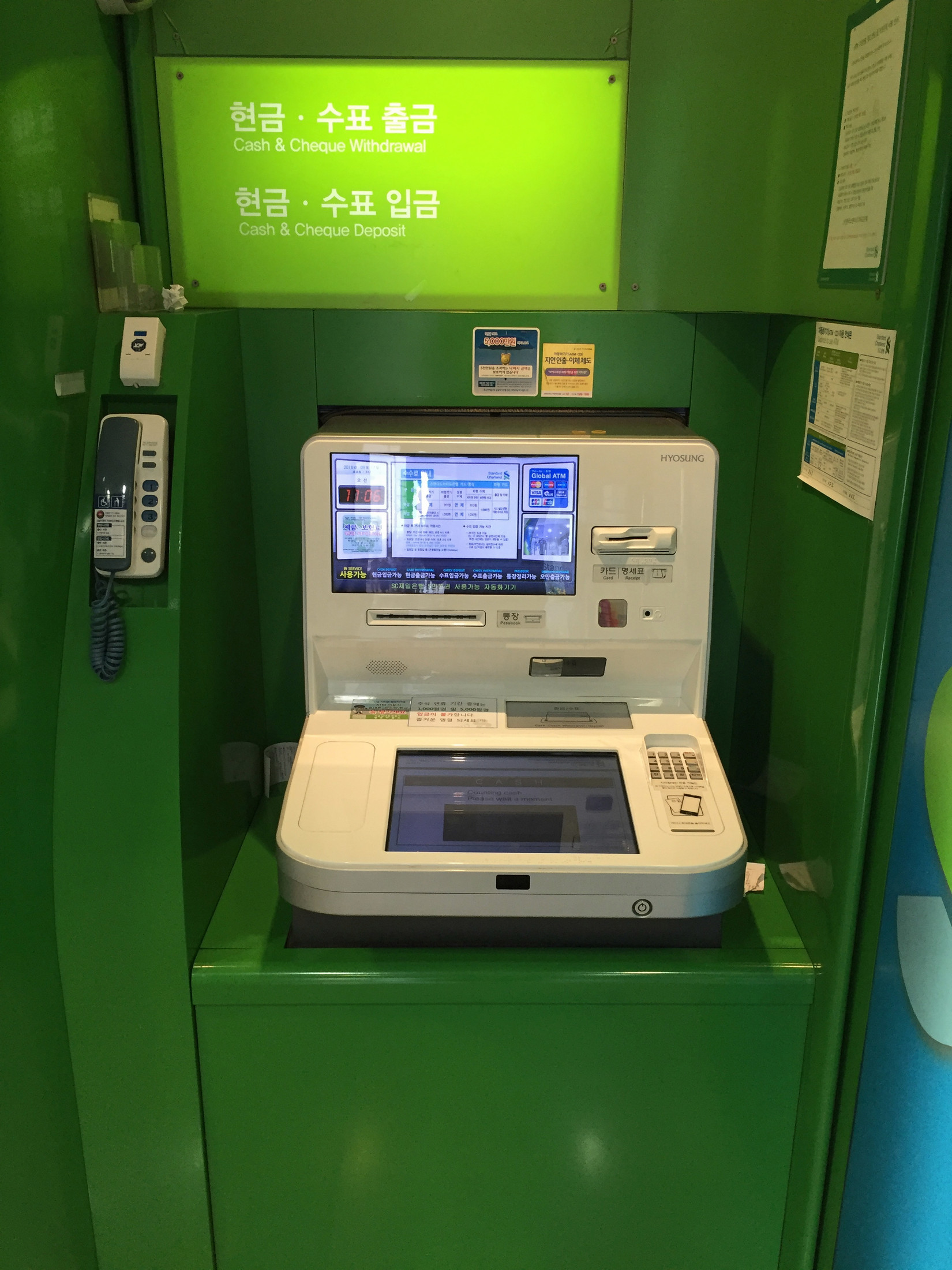
    ATMs that accept international cards are common in Korea and carry a “Global” sign or the logos of the card networks they accept, according to the Seoul Tourism Foundation. Most offer English, Chinese, and Japanese menus. ATMs typically operate until 23:00, and many run 24 hours a day; ATMs inside convenience stores often charge higher fees.

    At Incheon Airport, every ATM on the 2026 facility list was in a public area, such as near the arrival exits on the 1st floor or the check-in counters on the 3rd floor, and none was listed inside the duty-free zone. Withdraw cash before passing security on departure, or on arrival before leaving the terminal.

    Before the trip, ask your card issuer whether the card works for overseas cash withdrawals, what it charges, and whether it needs a 4-digit PIN. If a machine or a card terminal offers to convert the amount into your home currency, you can choose won instead and let your card issuer apply its own rate.

    Paying for transit

    Seoul changed its subway ticket machines in 2026. On March 17, 2026, the Seoul Metropolitan Government said 440 new ticket vending machines at 273 stations on Lines 1 to 8 began accepting credit and debit cards issued overseas, including Visa and Mastercard. A month later, The Asia Business Daily reported that international card payment at those machines covered single-journey tickets, Climate Card purchases, and recharges of short-term passes of 1, 2, 3, 5, and 7 days.

    A standard T-money card is a different case. Since the 2026 card-payment change did not include topping up a T-money balance, plan to top it up with won in cash at a station machine or a convenience store counter. The Seoul subway guide explains fares and passes, and the bus guide explains transit cards on buses.

    Tipping and service charges

    Tipping is not a Korean custom and is not expected by service staff, according to the City of Gangneung’s visitor page. Many major hotels and upscale restaurants add a 10% service charge on top of the 10% value-added tax, so check the bill before adding anything. Taxi drivers do not expect a tip.

    Tax refunds on purchases

    Visitors can claim a refund of tax on eligible purchases at stores that take part in tourist tax refund schemes. Who qualifies, the purchase limits, and the airport steps are covered in the duty-free and tax refund guide.

    What to check before you go

    The machine counts, opening hours, and airport facility locations above are listings as of 2026 and can change. Card acceptance is decided by each merchant and each machine, and a card that works at one ATM may be refused at another, so carry a second card or enough cash for a day. Before relying on a specific exchange counter or ATM at the airport, check Incheon Airport’s current facility list for your terminal.

    Related guides

    The airport transportation guide covers getting from Incheon Airport into Seoul.

    The Seoul subway guide covers fares, T-money, and the Climate Card.

    The duty-free and tax refund guide explains tourist tax refunds.

    The traditional markets guide covers paying at market stalls.

    The department store guide covers paying and refunds at department stores.

  • Getting to Gangneung and Sokcho from Seoul

    Getting to Gangneung and Sokcho from Seoul

    Photo: Mobius6 / Wikimedia Commons, CC BY-SA 4.0. Exposure, color, and size adjusted. Adapted image distributed under CC BY-SA 4.0.

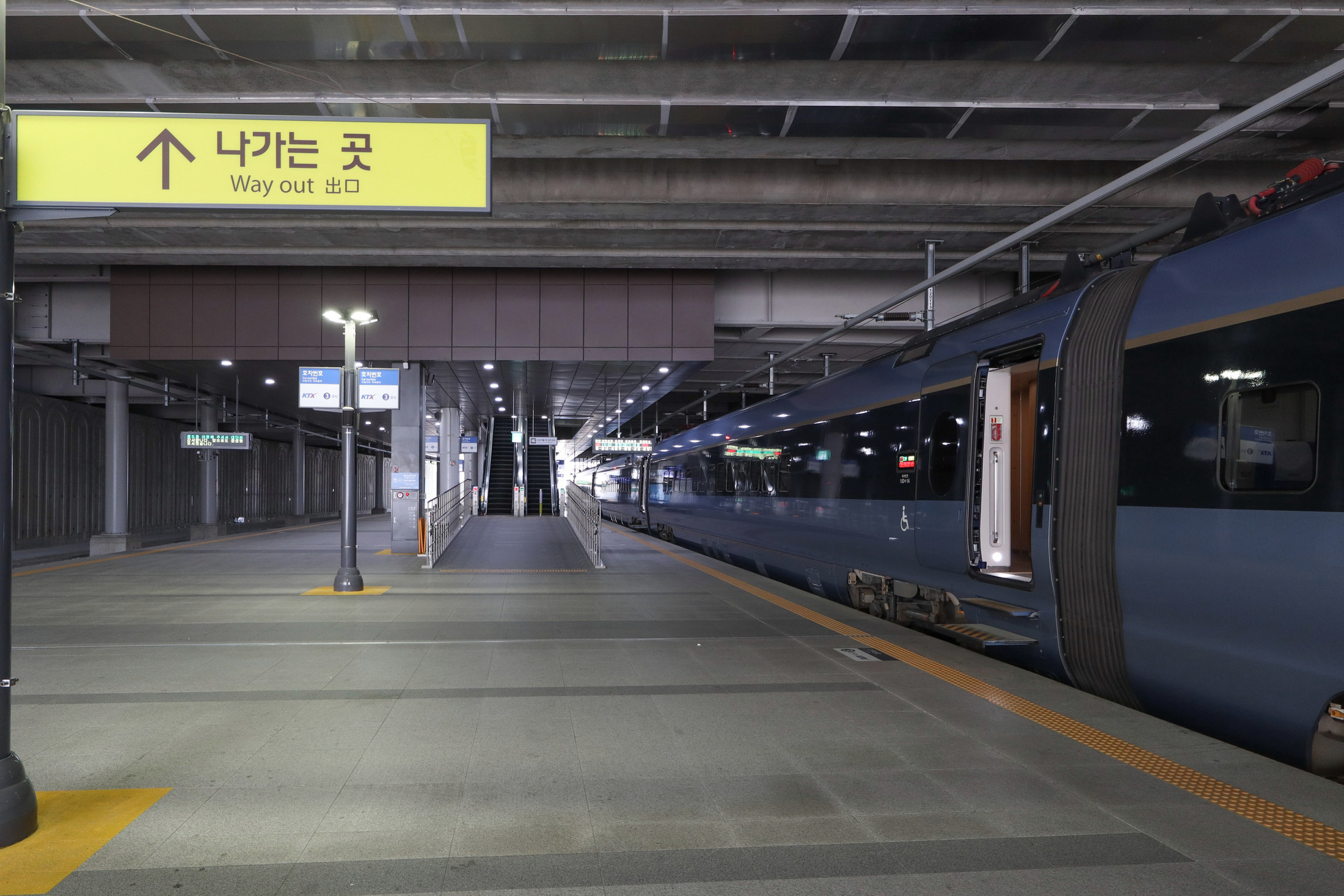
    Gangneung and Sokcho are both major gateways to Gangwon State, but they use different transport networks. Gangneung has KTX service; Sokcho is reached by road from Seoul, followed by a separate local connection for places such as Seoraksan. The right route depends on your exact date, destination, and onward plan. There is no reliable one-size-fits-all answer about which city makes the easier day trip.

    KTX to Gangneung

    Search the date you plan to travel in Korail’s live ticket system or the Korail mobile app. Enter the departure station and Gangneung as the destination, then compare the trains actually offered for that date. Available stations, departure times, seats, and fares are date-specific; do not assume every KTX to Gangneung departs from the same Seoul station or runs at a fixed interval. Book a return at the same time if your return date is fixed, and confirm the departure station shown on each ticket.

    Express and intercity buses

    Both Seoul Express Bus Terminal and Dong Seoul Terminal serve destinations in Gangwon, including Gangneung and Sokcho, but express and intercity routes to the same city can use different terminals. Search the exact destination and date before choosing a departure point.

    ServiceWhere to checkWhat to confirm
    Express busKobusExact Seoul terminal, arrival terminal, date, available departure, fare, and return seat
    Intercity busT-money intercity or BustagoExact departure and arrival terminals, date, available departure, fare, and return seat
    KTX to GangneungKorailDeparture station, Gangneung arrival, train, date, fare, and return service

    The national tourism guide to express and intercity buses identifies Seoul Express Bus Terminal and Dong Seoul as terminals serving Gangneung, Sokcho, and other Gangwon destinations. It also warns that express and intercity buses for the same destination may leave from different terminals. Treat a city name alone as insufficient: match the terminal printed on the ticket to your location in Seoul and your onward connection.

    Continuing from Sokcho toward Seoraksan

    For Seoraksan Sogongwon, VisitKorea lists local buses 7 or 7-1 from Sokcho Intercity Bus Terminal to the park entrance. Check the live route display and destination variant before boarding; a bus number alone does not guarantee that a particular departure reaches Sogongwon. Sokcho’s express and intercity terminals are distinct, so if your coach arrives at the express terminal, verify the transfer to the intercity terminal and allow for it in your plan. Check current park access and trail closures separately from the bus journey. Kignal’s Seoraksan visitor guide covers park planning separately.

    Plan the return before you go

    Search the return trip for your actual date before committing to a long day outdoors. For a bus, confirm whether the return leaves from Sokcho Express or Sokcho Intercity Bus Terminal; for rail, confirm the Gangneung departure station and the Seoul-area arrival station on the ticket. Leave enough time to travel from the attraction back to that terminal, buy or retrieve the ticket if required, and handle delays. Do not rely on an assumed “last bus” or train from a general guide.

    If you are traveling with a wheelchair or powered wheelchair, check the specific train and seat availability with Korail; a bookable accessible seat does not guarantee an accessible end-to-end journey. For bus accessibility, luggage limits, and terminal facilities, confirm details with the relevant operator before booking.

    A simple way to choose

    Start with the place you actually want to visit: search KTX for Gangneung or buses for the exact Gangneung/Sokcho terminal. Then check the local transfer, return departure, and total door-to-door plan for your date. If the return options leave too little time for your planned activity, change the date, choose a different departure, or stay overnight. This is a planning check, not a claim that one destination is inherently easier.

    Editorial travel guide. Linked official information can change; check details before travel.
  • A Day Trip to Suwon Hwaseong

    A Day Trip to Suwon Hwaseong

    Photo: Lance Vanlewen / Wikimedia Commons, CC BY-SA 4.0. Exposure, color, and size adjusted. Adapted image distributed under CC BY-SA 4.0.

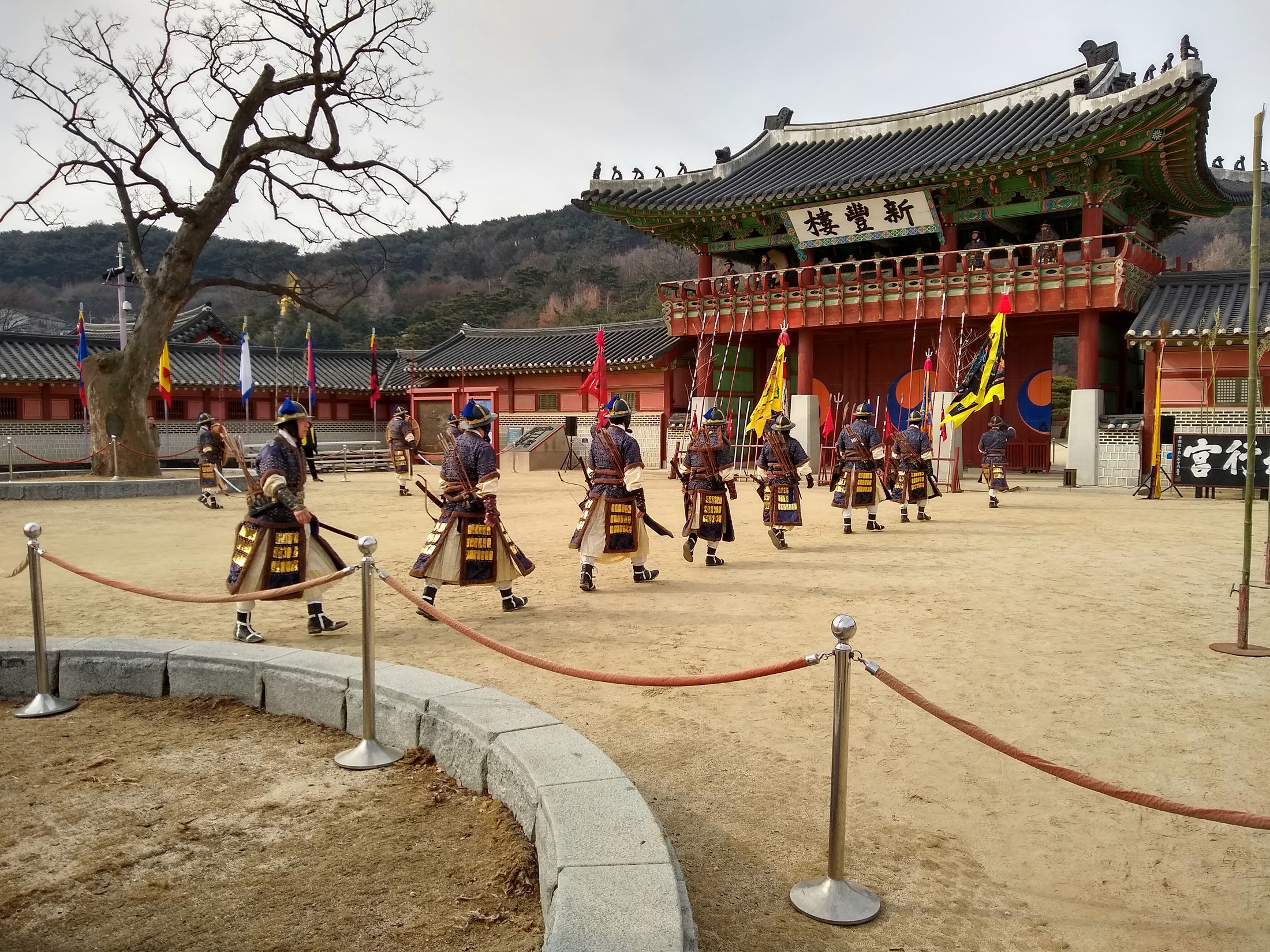
    Suwon makes a rewarding day trip from Seoul for travelers interested in Joseon-era history, fortress architecture, and a walk that can be shortened or extended to suit the day. The UNESCO-listed Hwaseong Fortress is an urban defensive wall with four main gates; Hwaseong Haenggung, the royal temporary palace inside the fortress, is a separate attraction with its own hours and admission.

    What makes Suwon worth the trip

    King Jeongjo initiated the construction of Hwaseong in 1794 as part of a broader plan for Suwon. The fortress was completed in 1796. Jeong Yak-yong contributed engineering designs and devices, including the geojunggi lifting apparatus, as described in the National Museum of Korea’s construction-record overview. The four principal gates mark the cardinal directions: Janganmun to the north, Paldalmun to the south, Hwaseomun to the west, and Changnyongmun to the east. Their different settings, along with the ramparts and pavilions, make the fortress more than a single monument.

    The route also pairs well with a palace visit and Suwon’s food neighborhoods. You can walk a selected section of the wall without buying a palace ticket, then choose whether to add Hwaseong Haenggung, Haengnidan Street, or Suwon Chicken Street.

    Getting from Seoul to the fortress

    Take Line 1 or the Suin–Bundang Line to Suwon Station. Visit Suwon’s transit directions list local buses 11 and 13 from the Novotel stop by the station to Hwaseong Haenggung or Suwon Seongji, followed by a short walk. From Gangnam, the same guide lists bus 3000 to the Paldalmun area. Check the live route and stop before boarding because bus service and stop names can change. If you need a refresher before crossing Seoul to the station, see Kignal’s Seoul subway guide.

    For a first visit, the station-to-palace bus is a straightforward start. If you arrive at Paldalmun instead, begin at the south gate and adjust the walking order. Suwon Station is also the practical point to return to Seoul: check the next train or bus before leaving the fortress area, especially on weekends and holidays.

    A comfortable morning-to-afternoon sequence

    9:00–10:30 a.m. (planning estimate): Hwaseong Haenggung and Hwaryeongjeon. Start at the palace when it opens, then visit nearby Hwaryeongjeon. Visit Suwon’s suggested course gives this visit as approximately one hour; the extra half-hour is a practical allowance for entry and moving between the sites, not an official visit duration. The palace gives context for the royal and administrative side of the historic city. It is not the fortress wall itself.

    10:30 a.m.–12:30 p.m. (planning estimate): choose a wall section. For a manageable walk, follow the official suggested course covering Seojangdae, Hwaseomun, and Janganmun. It is listed as about one hour; the longer block allows time for hills, photos, rest, and detours. You do not have to complete the entire circuit. Another option is to focus on the northern stretch around Janganmun and nearby defenses, then turn back when you have had enough.

    12:30–1:30 p.m. (planning estimate): lunch on Haengnidan Street or at a nearby market. Haengnidan Street is close to the palace and has cafes and restaurants; menus and opening hours vary by business. For a more local market stop, Nammun Market is another option. Check individual businesses on the day rather than planning around a particular shop.

    1:30–3:30 p.m. (planning estimate): add a second neighborhood or finish the wall. If you still have energy, head toward Suwoncheon and Suwon Chicken Street for the city’s well-known fried-chicken restaurants. Haengnidan and Chicken Street can be combined with a scenic wall-side walk, but they are separate areas; use a current map and allow time for the walk between them. If you prefer a shorter day, finish after lunch and return to Suwon Station. These blocks describe a flexible afternoon plan; they do not include the Seoul–Suwon journey or promise a particular return time.

    Optional walking plans

    • Short visit: Hwaseong Haenggung and Hwaryeongjeon, then a short nearby wall section.
    • Half-day walk: choose the official Seojangdae–Hwaseomun–Janganmun course and pause for lunch.
    • Longer day: add a second wall section and either Haengnidan Street or Suwon Chicken Street. Avoid treating a full fortress circuit plus multiple neighborhoods as a fixed-time itinerary.

    These are sightseeing choices, not step-free routes. The wall follows varied terrain and includes slopes and stairs. If mobility, heat, rain, or fatigue is a concern, use the palace and a short accessible-by-condition section as the core plan, and confirm current access arrangements with the venue before setting out.

    Tickets, hours, and practical access

    The fortress wall is generally open without an admission fee; access to Hwaseong Haenggung is ticketed separately. The current Visit Suwon visitor guide lists the palace as open daily from 9 a.m. to 6 p.m.; its listed admission is ₩2,000 for adults, ₩1,500 for youth and military visitors, and ₩1,000 for children. Recheck the official visitor page before travel for holiday exceptions, current fees, and any event closures.

    The 2026 palace night program runs Fridays, Saturdays, Sundays, and holidays from 6–9:30 p.m., with last admission at 9 p.m., through November 1, 2026. Do not assume night entry is available outside its published dates or that palace night hours apply to every fortress facility. The wall and palace are separate experiences with different access rules.

    Before you return to Seoul

    Choose your final stop with the return journey in mind. From the palace area, use the current local bus directions back toward Suwon Station; from the Paldalmun side, check which station bus or local connection serves your location. Confirm the last practical departure for your date in Korail or the bus operator’s booking service before you begin a long walk. If the weather changes or the wall feels strenuous, shorten the route rather than rushing to fit every gate into one day.

    Editorial travel guide. Linked official information can change; check details before travel.
  • Incheon Chinatown and the Open Port: A Half-Day Walk

    Incheon Chinatown and the Open Port: A Half-Day Walk

    Photo: Mobius6 / Wikimedia Commons, CC BY-SA 4.0. Exposure, color, and size adjusted. Adapted image distributed under CC BY-SA 4.0.

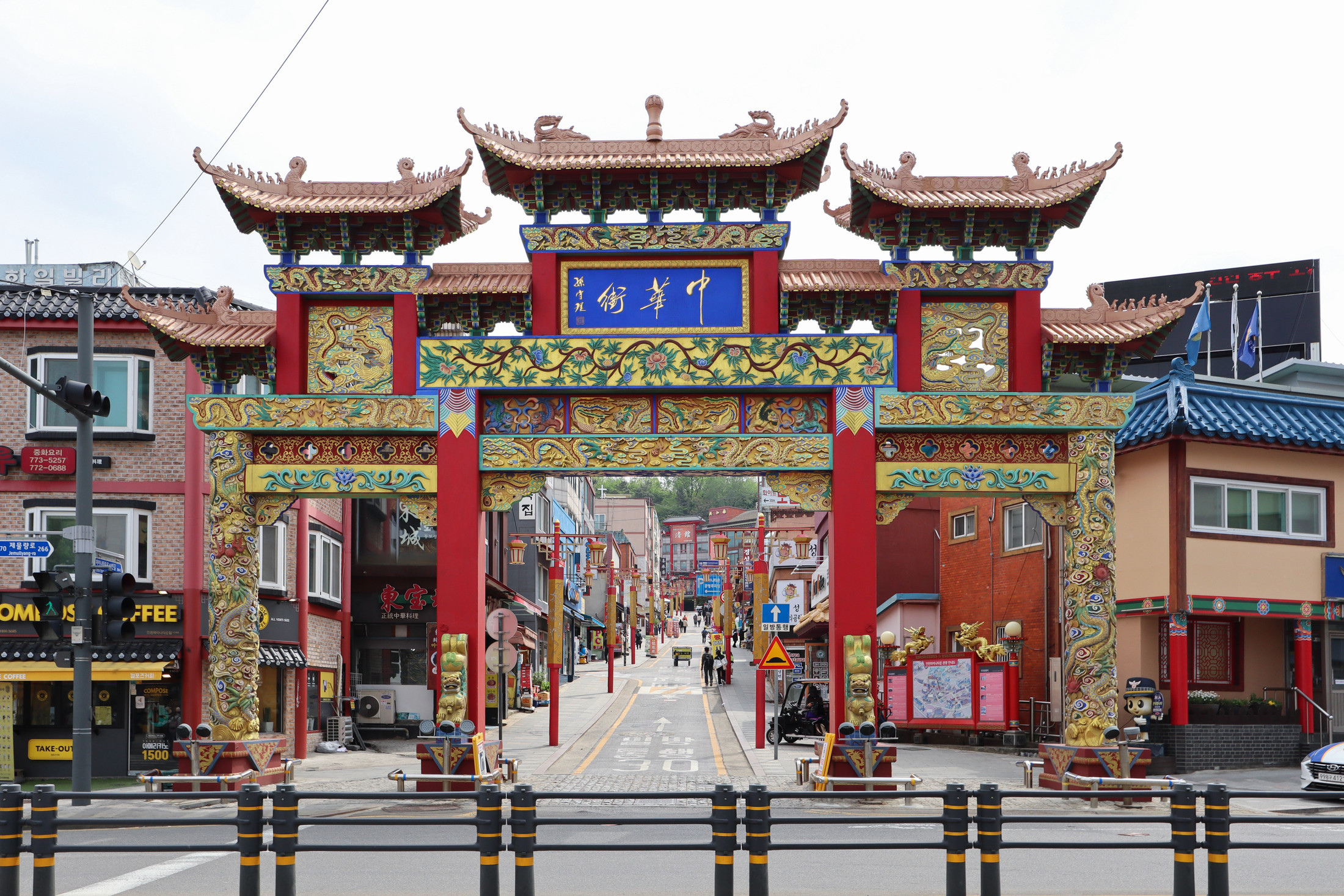
    Incheon’s Chinatown and Open Port district make a compact, history-rich walk from Incheon Station. The route combines Chinatown’s food streets, the Jjajangmyeon Museum, Jayu Park, and the former port district’s museums and historic buildings. Plan roughly half a day, with more time if you want a sit-down meal or several museum visits.

    Why the neighborhood matters

    Incheon Port opened to international trade in 1883, and a Qing settlement followed in 1884. The port’s history brought Chinese, Japanese, and other international communities into close proximity. The streets today reflect that layered history, although many surviving buildings have later uses and should not be mistaken for unchanged nineteenth-century sites.

    Start at Incheon Station

    From Seoul, take Line 1 to Incheon Station. The Seoul Metropolitan Government identifies Seoul Station as a Line 1 station, and Incheon City describes the Gyeongin section as connecting Guro and Incheon Station. Some express services terminate at Dongincheon or Bupyeong, so check the destination and stopping pattern before boarding. If you start elsewhere in Seoul, use a live journey planner to find your connection to Line 1. The Chinatown gate is across the road from the station.

    Suggested walking sequence

    1. Enter Chinatown and follow the main uphill streets. Pass through the prominent Chinese-style gate and explore Chinatown-ro and its side lanes. The neighborhood is built on a slope, so wear shoes suitable for inclines and steps. Treat the walk as a choose-your-own loop rather than trying to cover every lane. The city’s current Chinatown and Open Port route also connects Chinatown, Jayu Park, and the historic port district.

    2. Visit the Jjajangmyeon Museum. The museum is in the former Gonghwachun building at 56-14 Chinatown-ro. Its exhibits explore the history of jajangmyeon and the restaurant’s place in that story. The current operator visitor leaflet lists Tuesday–Sunday hours of 9 a.m.–6 p.m., with last admission at 5:30 p.m.; it is closed Mondays, January 1, and on Lunar New Year and Chuseok days. If Monday is a public holiday, the following day is listed as the closure day.

    The operator’s current visitor leaflet lists individual adult admission at ₩1,000, and Incheon City’s tourism listing gives the same adult price. The listings differ on youth and child categories, so verify the applicable age and rate with the museum before buying a youth or child ticket. The Jjajangmyeon Museum and Open Port Museum are separate venues.

    3. Climb to Jayu Park. From Chinatown, continue uphill to Jayu Park for a green-space break and views over the port area. The park sits above the Chinatown streets, so budget time for the climb and return descent. If the slope is not suitable for your group, skip the park and continue at street level toward the Open Port district.

    4. Walk down into the Open Port historic district. Follow the pedestrian streets toward Gaehangnuri-gil and the historic port area. The Incheon Open Port Museum is at 89 Sinpo-ro 23beon-gil, in the former Japanese First Bank Incheon Branch. It covers the port’s opening and related modern history. The city lists adult admission at ₩500, youth and military admission at ₩300, and free entry for children. Its hours are Tuesday–Sunday, 9 a.m.–6 p.m., last entry 5:30 p.m.; it is closed Mondays, January 1, Lunar New Year and Chuseok. If Monday is a public holiday, the following day is listed as closed. Check the museum’s current notice before going, especially if your visit falls near a holiday.

    Allow time to look at the surrounding streets, but distinguish the Open Port Museum from nearby venues such as the Modern Architecture Exhibition Hall and Daebul Hotel Exhibition Hall; they are separate venues rather than one ticketed building. You can end the walk here or return to Incheon Station after checking your transit route.

    Food to try

    Jajangmyeon is the signature meal associated with Chinatown. Local food guides also highlight gonggalppang, a hollow, crisp bread, and hongdubyeong, a filled red-bean bread. These are options rather than guaranteed offerings at every shop, and current prices and opening hours vary. Snack Street near the station is one area to look for snacks. Choose a restaurant based on the menu and queue when you arrive; this guide does not claim a neighborhood-wide average price.

    Practical notes

    The core walk is mostly outdoors and includes hills, stairs, and uneven sections. The order above minimizes backtracking between the station, Chinatown, the hilltop park, and the lower port district, but the slope may make the route tiring. You can omit Jayu Park or one museum to shorten it. Museum tickets are separate unless you deliberately buy the operator’s multi-museum pass; check which venues it covers before purchase. Keep enough time to return to Incheon Station and confirm your onward train or subway service before the evening. For other trip ideas, browse Kignal’s destination guides.

    Editorial travel guide. Linked official information can change; check details before travel.
  • Sewoon Plaza and Vincenzo: The Real Place Behind Geumga Plaza

    Sewoon Plaza and Vincenzo: The Real Place Behind Geumga Plaza

    How Sewoon Arcade became Geumga Plaza in Vincenzo, what the real building offers today, and what to check before visiting.

    Sewoon Arcade as Vincenzo’s Geumga Plaza

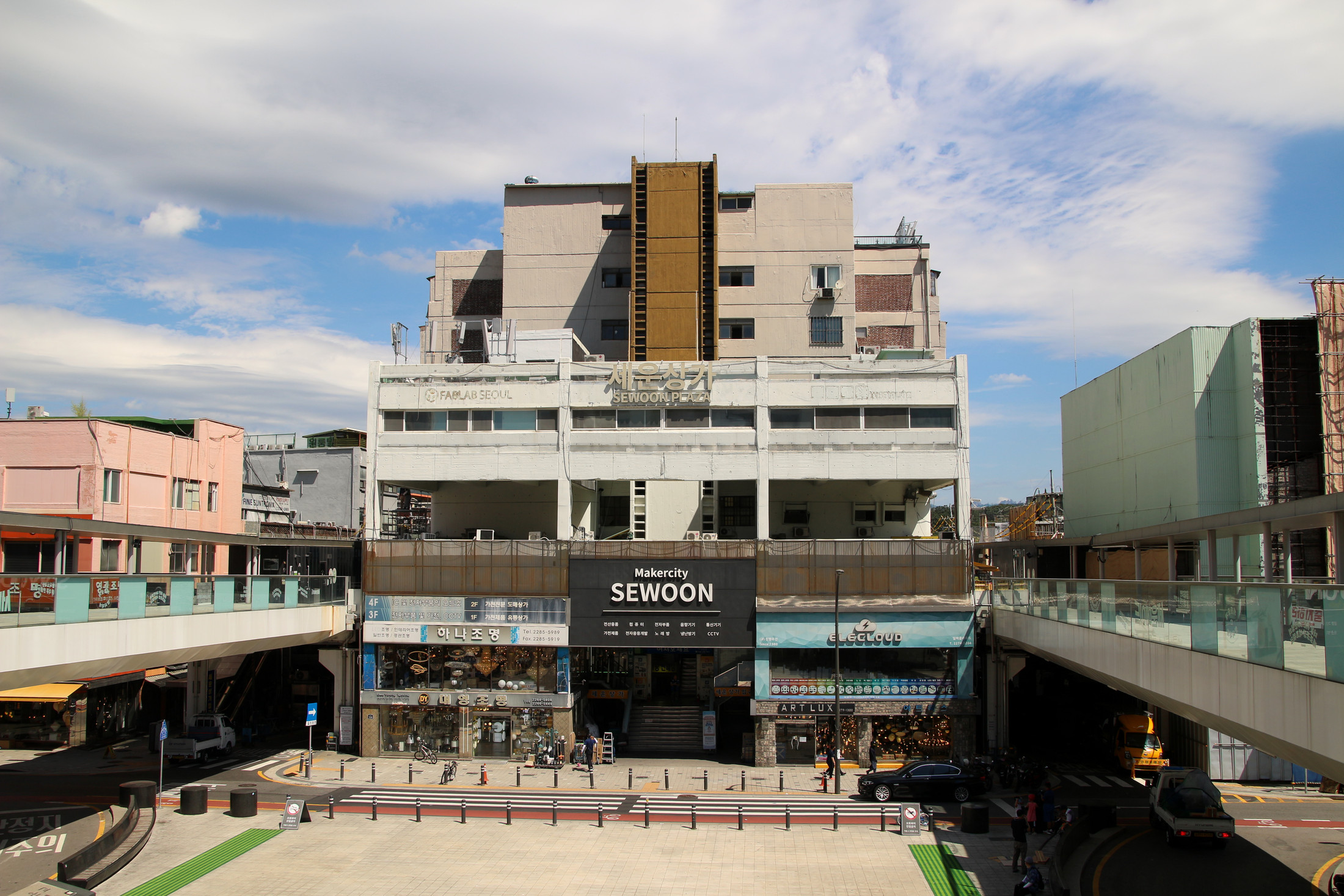
    Sewoon Arcade, also known as Sewoon Plaza or Sewoon Electronics Plaza, is identified by the Korea Tourism Organization as the filming location for the fictional Geumga Plaza in the 2021 drama Vincenzo. The source does not establish where every interior scene was filmed, so the full extent of filming inside the building is not confirmed. The real building’s signage and appearance differ from the drama, so visitors should look for Sewoon Arcade at its actual address rather than expecting a Geumga Plaza sign.

    Sewoon Arcade’s Real History and Character

    Constructed in 1968 as a mixed-use high-rise, Sewoon Arcade originally combined commercial lower floors with residential upper levels. The building was renewed through the re:Sewoon project in 2017. Its ongoing identity is shaped by its electronics and lighting trade, as described in recent city and tourism updates. This commercial focus and architectural history define the real place, not its fictional role in Vincenzo.

    What to Check: Shops, Decks, and Rooftop

    The lower floors of Sewoon Arcade are described as active with electronics and lighting shops. Historical accounts mention cafes, galleries, and workshops along the walking deck, but these do not confirm current operation. The rooftop is noted for its view of Jongmyo Shrine, with a Visit Seoul listing updated July 16, 2026 describing weekday rooftop hours of 10:00–20:00. These details reflect the building’s character and amenities as of their publication dates, but do not guarantee that specific businesses or the rooftop will be open on your visit.

    Arrival and Neighborhood Context

    Sewoon Arcade is located at 159 Cheonggyecheon-ro, Jongno-gu, Seoul. The Korea Tourism Organization describes it as approximately a four-minute walk from Jongno 3-ga Station exit 12. This is an orientation estimate, not a step-free or timed guarantee.

    Ideas for a Practical Visit

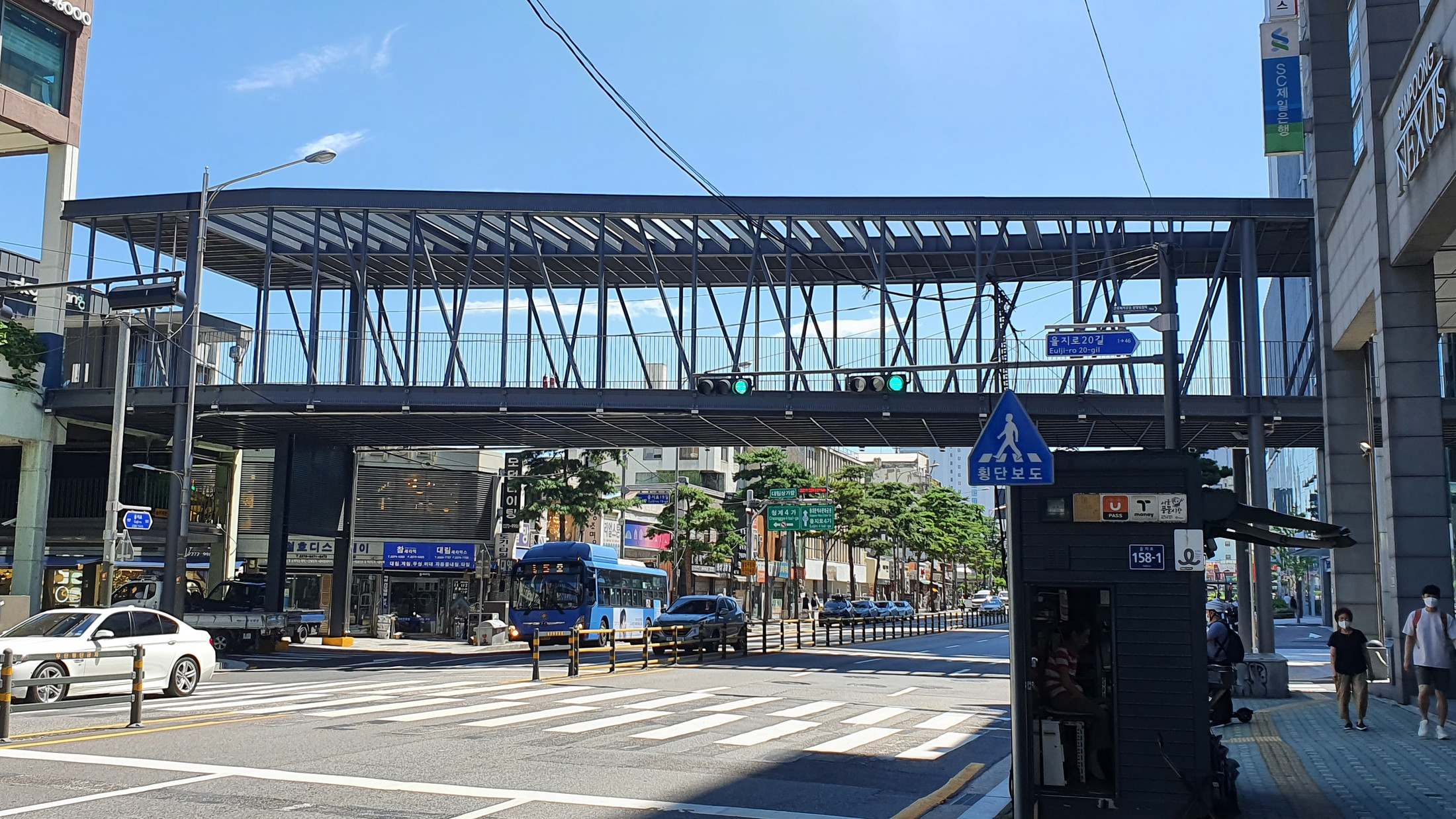
    For an architecture-focused visit, use the pedestrian connections between Sewoon, Cheonggye, and Daelim arcades as your starting point; the Dasi Sewoon Bridge offers a view over Cheonggyecheon Stream. Then choose a nearby stop that suits your interests: Jongmyo Shrine, Ikseon-dong, or Gwangjang Market. These are optional neighborhood pairings, not verified Vincenzo filming locations or a timed itinerary.

    Pedestrian bridge near Sewoon Arcade in Seoul
    Pedestrian bridge near Sewoon Arcade (July 2022). Photo: UniCon / Wikimedia Commons, CC BY-SA 4.0. Adapted image (resize and color preset). Licensed CC BY-SA 4.0.

    Access and Opening Hours

    General arcade hours are listed as 09:00–19:00 or 09:00–20:00, with Sundays and public holidays closed, but these times vary by shop and source. No single schedule covers all businesses, and individual shops may keep different hours. The rooftop hours come from Visit Seoul’s July 16, 2026 listing, rechecked online for this review; opening on your visit date has not been independently confirmed. Confirm access before making the rooftop a required stop. For a specific store, check its own opening times directly. Sundays and holidays are generally poor choices for browsing shops. The Vincenzo filming connection does not guarantee access to private interiors or specific amenities.

    Plan the rest of your visit with our Seoul travel guide.

  • How to Use the Seoul Subway: A First-Time Visitor’s Guide

    How to Use the Seoul Subway: A First-Time Visitor’s Guide

    A practical guide to riding the Seoul subway as a visitor: fares, T-money and single-journey tickets, paying with a foreign card at the new ticket machines, transfers, exits, accessibility, and short-term Climate Card passes, based on official sources checked in November 2026.

    Quick answer

    Use a T-money card for most trips. The adult base fare was ₩1,550 with a transportation card and ₩1,650 with a single-journey ticket, and a single-journey ticket also involves a ₩500 deposit that a deposit refund machine returns. Since March 17, 2026, 440 ticket machines at 273 stations on Seoul subway Lines 1 to 8 have accepted overseas-issued credit and debit cards, but card payment there covers single-journey tickets and short-term Climate Card passes, not topping up a T-money balance. Tap your card or ticket at both the entry and exit gates, and check the exit number for your destination before leaving the platform. These details were checked on official pages on November 17, 2026 (Korea time).

    Plan your route

    Begin by identifying your destination station and the correct exit, as this can affect your walking distance and final approach. The Seoul Subway app provides route planning, in-station directions, and exit information. Visit Seoul links to the official subway map and Seoul Metro’s Cyber Station route tool for trip planning. Confirm your planned route and exit on the day of travel, as service changes or station layouts may affect your journey.

    Choose a ticket or a card

    Visitors can pay with a T-money card or a single-journey ticket. The fare table on the City of Incheon’s visitor site, for the fare in effect from June 28, 2025, listed ₩1,550 for adults with a transportation card and ₩1,650 with a single-journey fare card; for youth, it listed ₩900 with a card, while the single-journey fare card charged the adult fare. Longer journeys cost more than the base fare.

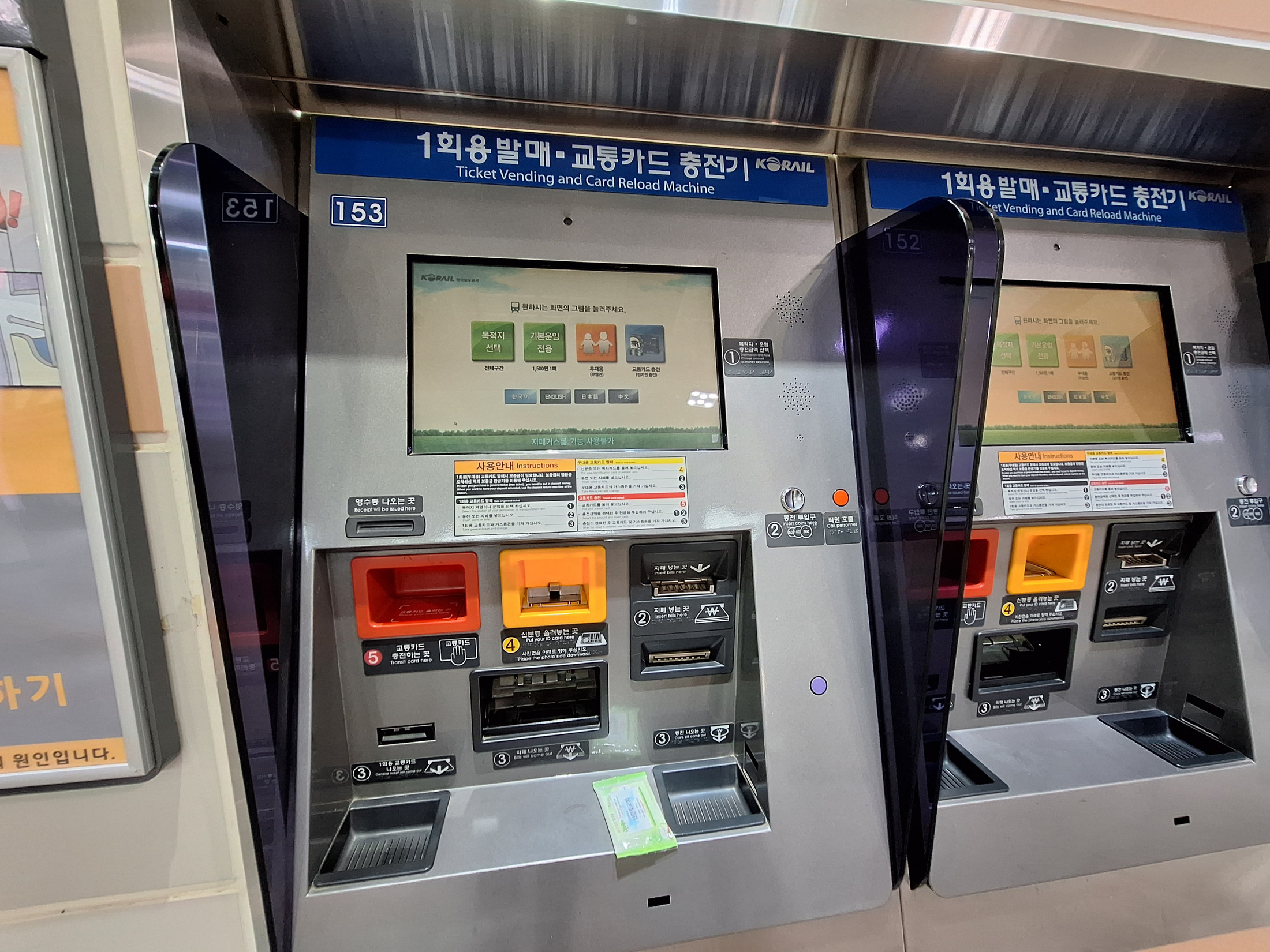
    T-money cards are sold at airports, subway vending machines, and convenience stores such as CU, GS25, and 7-Eleven. Single-journey tickets are bought at station machines and carry a ₩500 deposit; keep the ticket until you reach your destination, then return it to the deposit refund machine to get the deposit back. If your card or ticket balance is too low at the gate, use the fare adjustment machine near the ticket gate to add money for that trip.

    Ticket vending and T-money card reload machines at a Seoul Metropolitan Subway station
    Ticket and card reload machines at a Seoul Metropolitan Subway station (Soraepogu, July 2024). Photo: LandAndTree / Wikimedia Commons, CC BY 4.0. Adapted image (resize and color preset). Licensed CC BY 4.0.

    Paying with a foreign card

    Seoul changed its ticket machines in 2026. On March 17, 2026, the Seoul Metropolitan Government said 440 new ticket vending machines at 273 stations on Lines 1 to 8 began accepting credit and debit cards issued overseas, including Visa and Mastercard. A month later, The Asia Business Daily reported that international card payment at those machines covered single-journey tickets, Climate Card purchases, and recharges of short-term passes of 1, 2, 3, 5, and 7 days.

    Topping up a standard T-money card was not part of that change, so carry some Korean won in cash for T-money top-ups. The money and currency guide explains ATMs and exchange counters.

    Entering, platforms, and exits

    At the entry gate, tap your T-money card or single-journey ticket on the reader and wait for approval. This is required at both entry and exit gates to record your journey and calculate the correct fare.

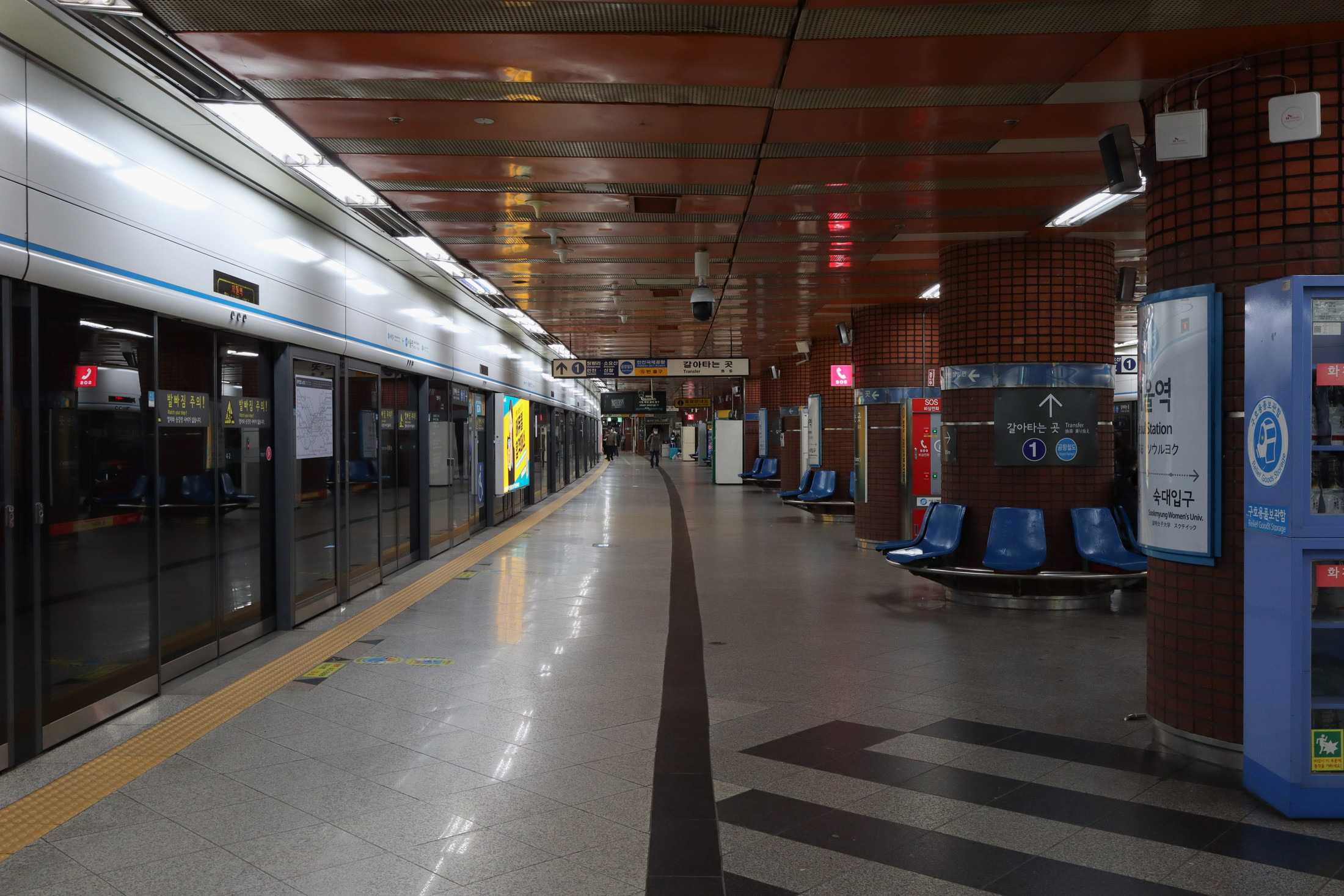
    Station signs are in Korean, English, and Chinese. Use platform direction signs to confirm you are heading the right way, and match the numbered exit to your destination. The Seoul Subway app offers in-station guidance for platforms and exits, but check the physical signs for the most current directions. At your destination, tap out at the exit gate, and if you used a single-journey ticket, return it to the deposit refund machine after exiting.

    Transfers and fares

    When transferring between subway lines, follow the signs for your next line. For integrated bus and subway transfer discounts, tap your transportation card when boarding and when getting off. The City of Incheon’s fare page listed the transfer window as within 30 minutes after exiting the ticket gate between 07:00 and 21:00, and within 1 hour between 21:00 and 07:00. Distance and travel mode can increase the fare, so check the displayed fare for your route rather than assuming the base fare applies to every trip.

    Accessibility

    For step-free access or luggage, consult the city’s published station-level information on elevators, ramps, and accessible restrooms. The presence of a facility does not guarantee it is working or serves your specific platform or exit. If step-free access is essential, verify the relevant entrance or platform route with station staff before travel.

    Short-term Climate Card passes

    Short-term Climate Card passes for 1, 2, 3, 5, and 7 days remain available for tourists. When Seoul announced them in 2024, it set prices of 5,000 won for 1 day, 8,000 won for 2 days, 10,000 won for 3 days, 15,000 won for 5 days, and 20,000 won for 7 days; check the current price on the machine before buying.

    These passes cover Seoul subway stations and Seoul-licensed city and town buses, but exclude Sinbundang, GTX, subway stations outside Seoul, express and airport buses, and other regions’ buses. There is an exception for getting off at the Incheon Airport terminals from a covered station, but not for boarding there. Compare both your boarding and your destination station with the current coverage list. The 30-day prepaid product is discontinued for tourists, and the Climate Pass is a separate resident program.

    What to check before you go

    The fares, machine counts, and pass prices above are listings and announcements as of 2026 and can change. Coverage differs between products, so a trip that leaves Seoul or uses a line such as Sinbundang may need a T-money card instead of a pass. Machines that take foreign cards are on Lines 1 to 8, so keep cash for stations and machines outside that rollout.

    Related guides

    The airport transportation guide covers getting from Incheon Airport into Seoul.

    The bus guide explains city buses, transfers, and transit cards.

    The taxi guide covers fares, apps, and payment for taxis.

    The KTX vs. express bus guide compares intercity trains and buses.

    The money and currency guide explains cash, cards, and ATMs.

    Plan the rest of your visit with the Seoul travel guide.

  • Seoul Fall Foliage: 3 Easy Places to Enjoy Autumn Colors Without Leaving the City

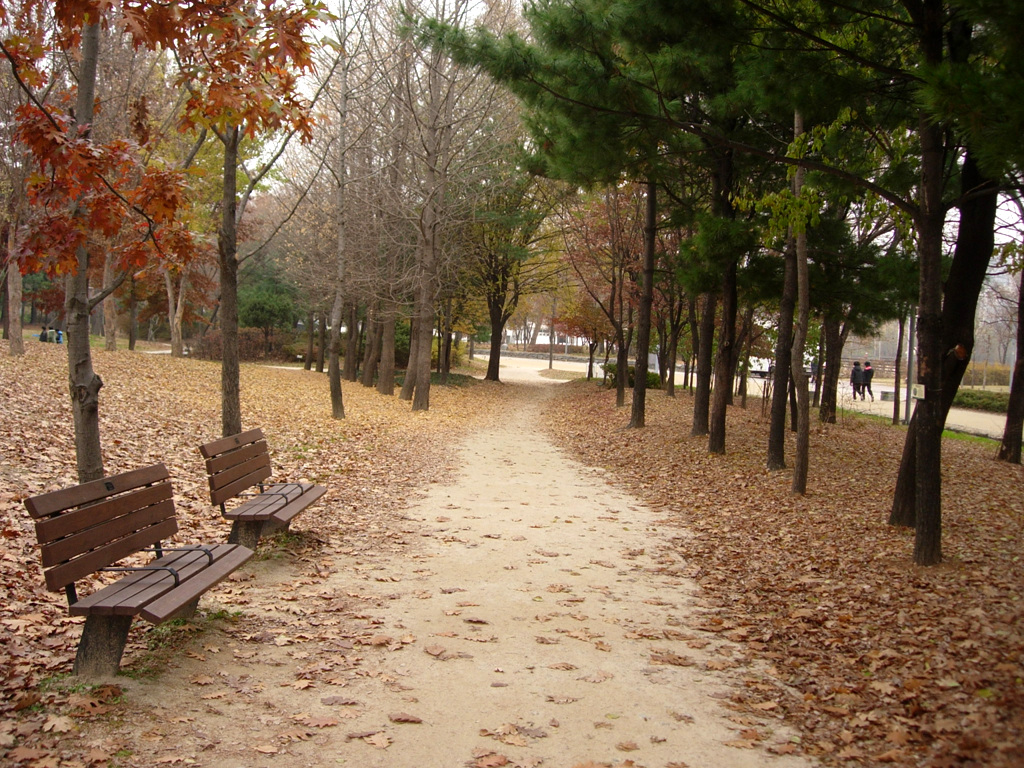
    A path through Seoul Forest in late autumn
    Seoul Forest in November 2009. Photo: Enigma7seven / Wikimedia Commons, CC BY-SA 3.0. Source · License

    Autumn color in Seoul can fit into an afternoon: a wooded path, an open park or a stroll beside a palace wall—without a long bus ride or a summit climb.

    Choose your Seoul autumn walk

    Choose Namsan for a wooded walk and city views, Seoul Forest for flexible park time, or Deoksugung Stone Wall Road for a short historic stroll near City Hall. Each is a separate outing, so you can pick one that fits your time and walking comfort.

    All three are within Seoul and reachable by subway. You can enjoy a casual autumn walk without planning a mountain-summit hike.

    When do fall colors peak in Seoul?

    Colors vary by tree, weather and location, so treat late October into early November as a planning window rather than a promise for any one city path. The 2026 Korea Tourism Organization forecast puts Bukhansan, a mountain in Seoul, around November 4. That is a forecast for Bukhansan, not a confirmed peak date for Namsan, Seoul Forest or Deoksugung. Check recent location-specific photos before choosing a day.

    Namsan: forest scenery without the summit climb

    For a wooded walk without climbing to N Seoul Tower, choose the pedestrian-only North Ringway. Seoul’s park map rates the full 3.5 km path as low difficulty and gives a walking time of about 42 minutes. You can follow a shorter section and turn back. Allow extra time for the approach, which may slope; do not assume the whole journey is level or step-free.

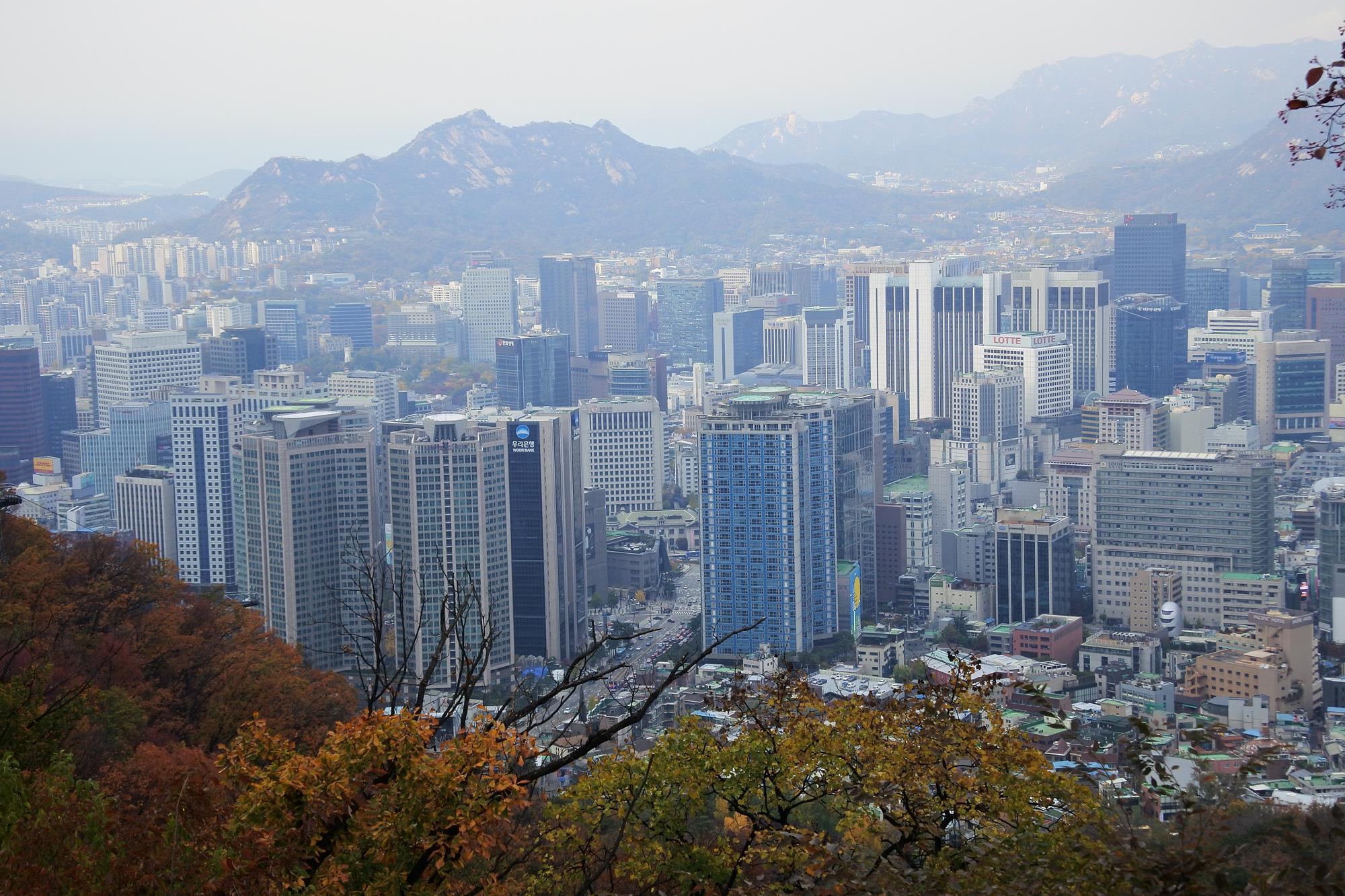
    A practical approach is Dongguk University Station on Line 3 to the National Theater, about 10–15 minutes on foot according to the theater. From there, use the official Namsan park map to locate the North Ringway entrance. Follow the ringway rather than signs or stairs toward the tower, and turn back whenever you wish. The city-view photo here shows Namsan Park; it does not show the recommended ringway itself.

    View of central Seoul from Namsan Park in autumn
    View from Namsan Park in October 2018. Photo: Ken Eckert / Wikimedia Commons, CC BY-SA 4.0. Source · License

    Seoul Forest: a relaxed park visit near Seongsu

    Come here if you would rather set your own pace than follow a fixed route. From Seoul Forest Station on the Suin–Bundang Line, use Exit 3 or 4 and head into the general park. Wander the tree-lined paths and open spaces, pause for photos, and loop back whenever you are ready. Allow about an hour for a relaxed visit, or linger longer.

    The general park is free and listed as open around the clock, but individual areas such as Eco-Forest have different hours. Autumn color depends on the trees and the date you visit, so check recent photos. Seongsu cafés are an optional stop if you want a break afterward.

    Deoksugung Stone Wall Road: a short historic walk

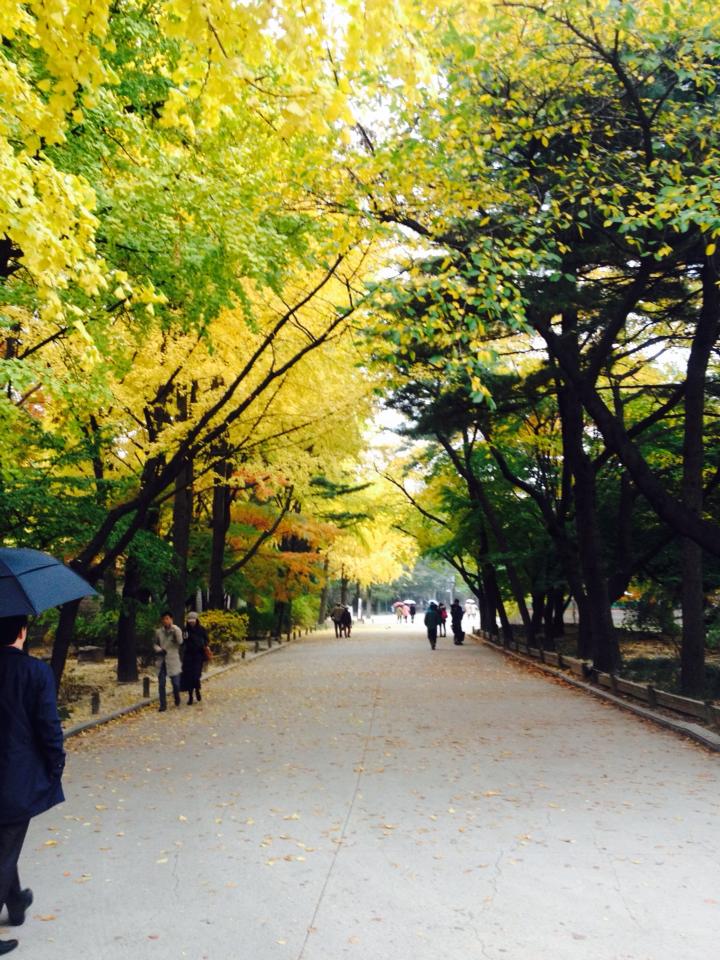
    Start near City Hall Station, Exit 1, and follow the public stone-wall road by Deoksugung toward Jeongdong. The palace wall and older neighborhood buildings make this an easy city walk with places to pause or turn around. Allow roughly 30–60 minutes for a short stroll.

    Walking the road is free and open year-round. Entering Deoksugung Palace is optional, costs admission and is normally unavailable on Mondays. Check current palace hours if you plan to go inside. You can stay longer to explore Jeongdong’s historic streets.

    Autumn trees along the Deoksugung area road in Seoul
    Deoksugung area road in November 2013. Photo: Byung do jung / Wikimedia Commons, CC BY-SA 3.0. Source · License

    Which spot fits your day?

    Location Best for Suggested visit Cost
    Namsan North Ringway Wooded path and city views 1–2 hours No trail admission
    Seoul Forest Relaxed park time and photos About 1 hour General park free
    Deoksugung Stone Wall Road Short historic walk 30–60 minutes Public road free

    Visit times are editorial planning estimates, not official trail times, and exclude travel to and from each place. Namsan time varies with your approach and how far you walk. Transport, food, palace entry and other optional attractions may cost extra.

    If slopes are a concern, Seoul Forest or the shorter Jeongdong street walk may be simpler than reaching Namsan’s ringway. Choose Namsan when you have more time for the approach and want a wooded path.

    Practical autumn tips

    Go in daylight for easier navigation and check recent photos of the place you choose. A mountain foliage forecast cannot tell you whether a particular city path is at peak color. Wear comfortable shoes, leave time to turn back, and confirm special-area hours at Seoul Forest. At Namsan, keep to the North Ringway if you want to avoid the steeper summit routes.

    Want a bigger autumn adventure?

    If you want a mountain landscape and have more travel time, read the published Seoraksan autumn guide. For more choices around Korea, browse the Korea fall foliage guide. If you have only part of a day in Seoul, choose one of the city walks above and leave the rest of your schedule open.