Navigate Seoul’s subway in 2026: plan your route, select the right ticket or pass, and understand fare, access, and coverage details.
Plan Your Subway Route
Begin by identifying your destination station and the correct exit, as this can affect your walking distance and final approach. The Seoul Subway app provides route planning, in-station directions, and exit information. Visit Seoul links to the official subway map and Seoul Metro’s Cyber Station route tool for trip planning. Confirm your planned route and exit on the day of travel, as service changes or station layouts may affect your journey.
What to Check Before You Go
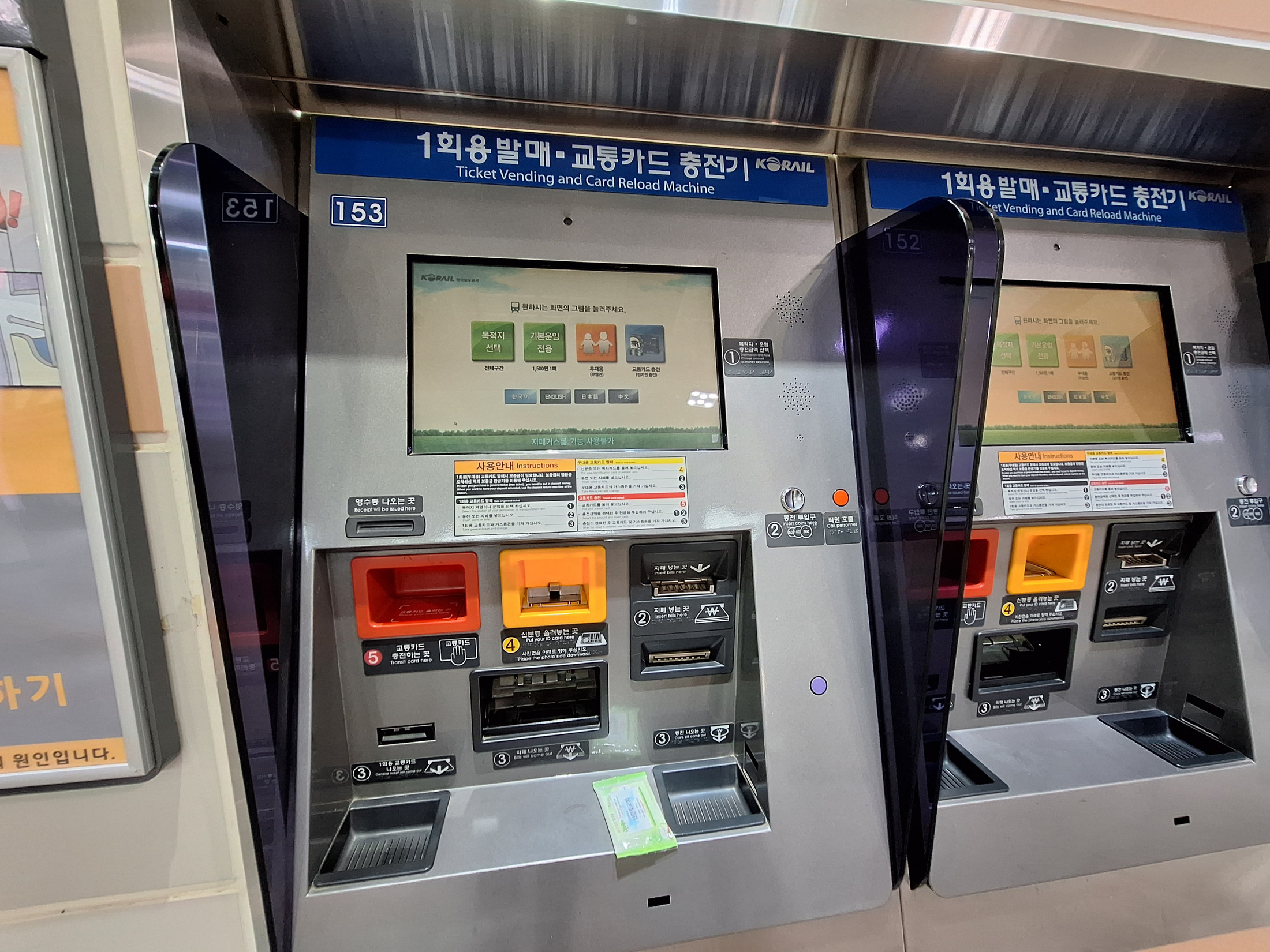
For payment, visitors can choose between a T-money card and a single-journey ticket. As of June 2026, the adult base fare for trips within 10 km is ₩1,550 with T-money and ₩1,650 for a single-journey ticket; longer journeys cost more. T-money cards are sold at airports, subway vending machines, and convenience stores such as CU, GS25, and 7-Eleven. Single-journey tickets are purchased at station machines, require a ₩500 refundable deposit, and must be kept until you claim the deposit at your destination. If your card or ticket balance is too low at the gate, use the fare adjustment machine near the ticket gate to add money for that trip.

Entering the Subway System
At the entry gate, tap your T-money card or single-journey ticket on the reader and wait for approval. This process is required at both entry and exit gates to record your journey and calculate the correct fare.
Navigating Platforms and Exits
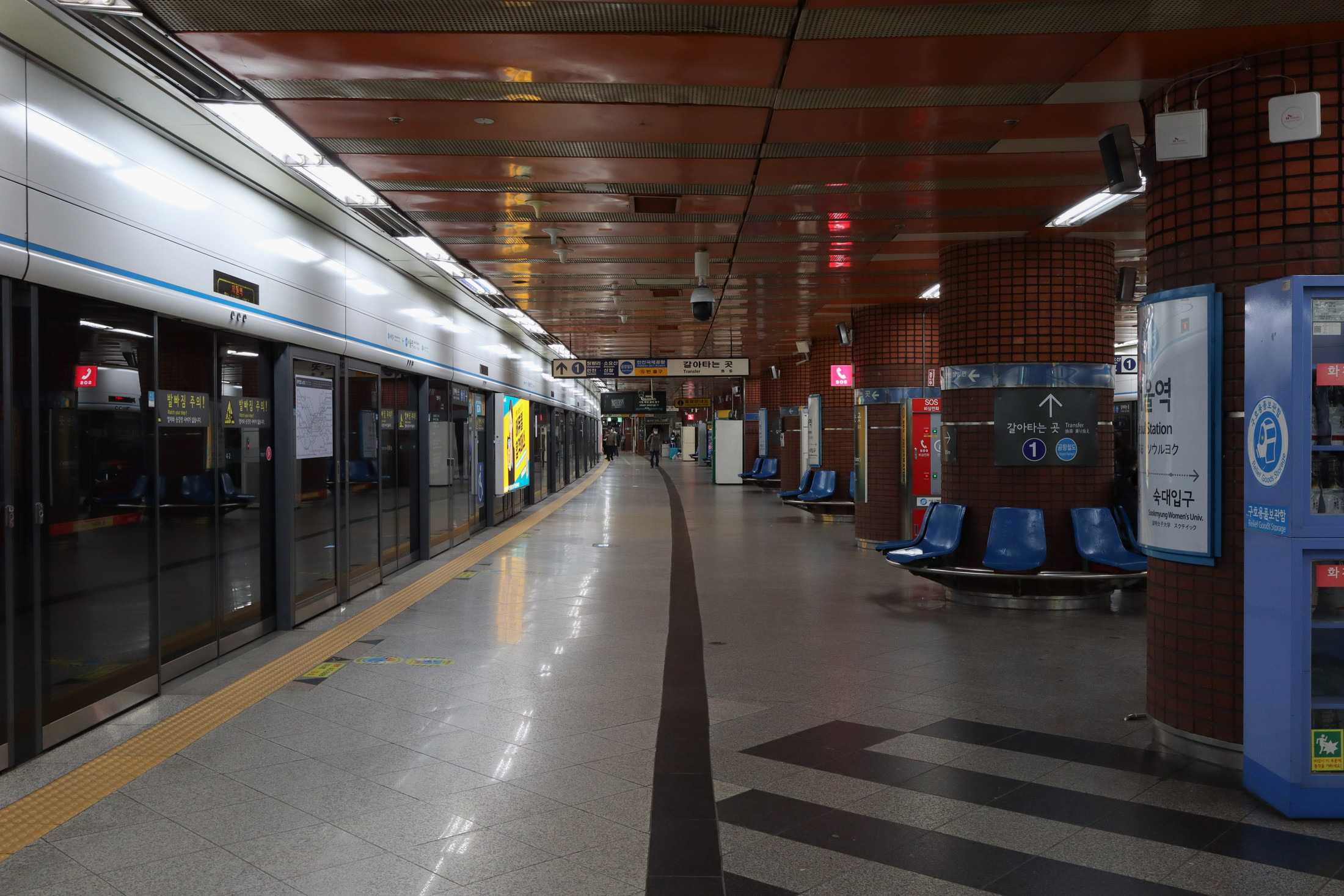
Station signs are in Korean, English, and Chinese. Use platform direction signs to confirm you are heading the right way, and match the numbered exit to your destination. The Seoul Subway app offers in-station guidance for platforms and exits, but always check physical signs for the most current directions.
Transfers and Fare Calculation
When transferring between subway lines, follow the signs for your next line. For integrated bus and subway transfer discounts, tap your transport card when boarding and alighting. Transfers must occur within 30 minutes after exiting the previous service, or within 60 minutes between 21:00 and 07:00. Distance and travel mode can increase the fare, so check the displayed fare for your route rather than assuming the base fare applies to all trips.
Exiting and Accessibility
At your destination, tap your T-money card or single-journey ticket at the exit gate. If you used a single-journey ticket, insert it into the separate deposit refund machine after exiting to reclaim your ₩500 deposit. For step-free access or luggage, consult the city’s published station-level information on elevators, ramps, and accessible restrooms. The presence of a facility does not guarantee it is working or serves your specific platform or exit. If step-free access is essential, verify the relevant entrance or platform route with station staff before travel.
Passes and Coverage Limits
Short-term Climate Card passes for 1, 2, 3, 5, and 7 days remain available for tourists. These passes cover Seoul subway stations and Seoul-licensed city and town buses, but exclude Sinbundang, GTX, subway stations outside Seoul, express and airport buses, and other regions’ buses. There is an exception for alighting at Incheon Airport terminals from a covered station, but not for boarding there. Always compare both your boarding and alighting stations with the current coverage list. The 30-day prepaid product is discontinued for tourists, and the Climate Pass is a separate resident program.
Plan the rest of your visit with our Seoul travel guide.