Photo: Templestay PR Team / Wikimedia Commons, CC BY-SA 4.0. Source. Resized by WordPress for display; no crop or color changes. The displayed resized version is available under the same license.
Explore the main types of Korean Templestay programs, learn how to book and prepare, and understand what varies by temple for language, rooming, and policies.
Understanding Templestay Program Types
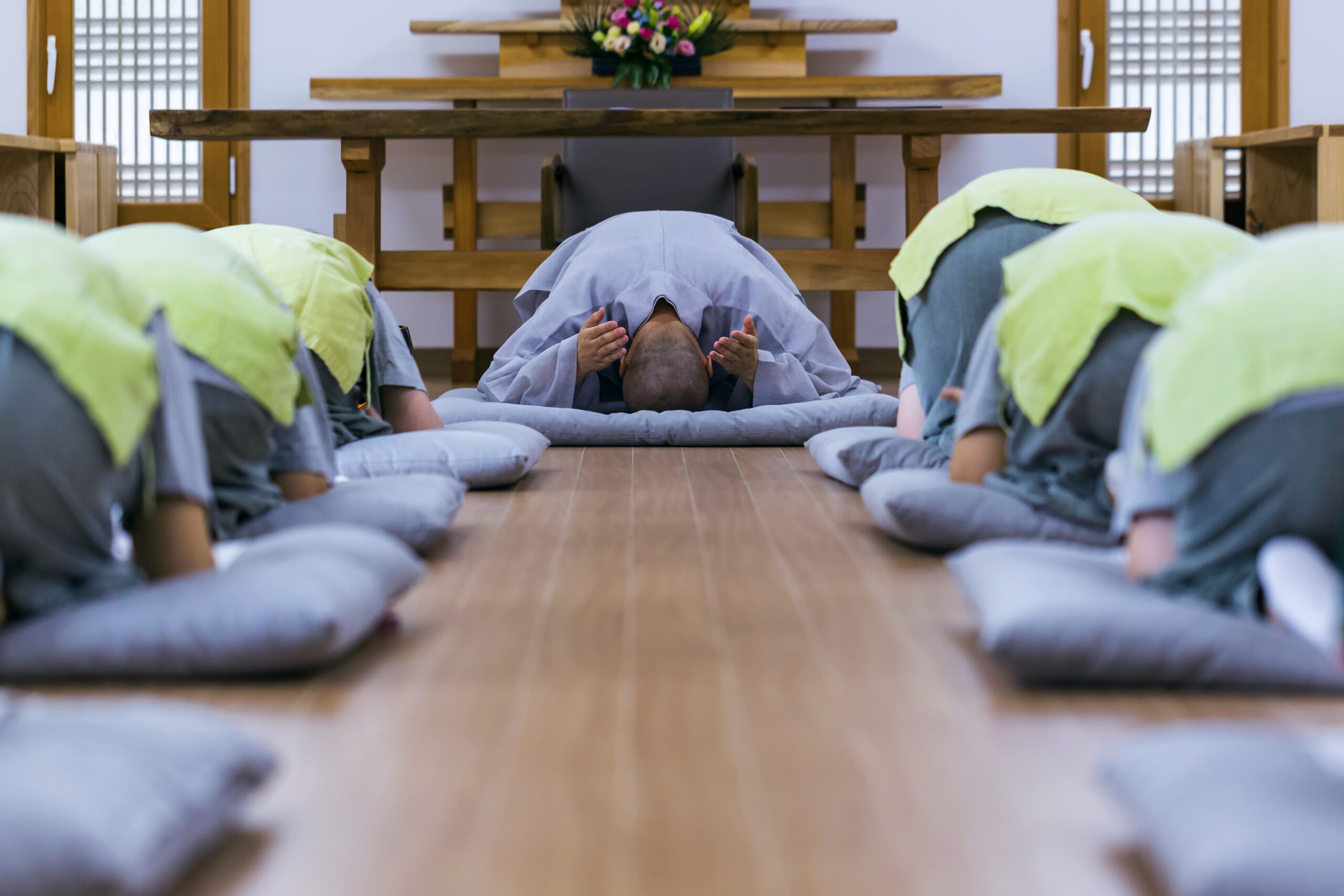
Korean Templestays are offered in several formats, each with a different focus. Experience-oriented programs introduce participants to Buddhist practices such as meditation, chanting, and temple rituals. Rest-oriented programs emphasize relaxation and provide a quieter environment with fewer scheduled activities. One-day Templestays allow visitors to sample temple life without staying overnight. The specific schedule and activities depend on the temple and the selected program, so it is important to review each temple’s details before choosing.
Booking and Preparing for a Templestay
To book a Templestay, choose a temple and review its program schedule and offerings on the official Templestay website. For example, the Bongeunsa listing states that reservations open one month before the program date and that schedules may change, so always confirm the latest details before booking. Each temple manages its own reservations through the official site.
Most Templestay programs use a communal-living model, meaning room sharing with other participants is standard. Some programs offer private rooms for an additional fee; check the specific program listing if privacy is important. If you need to cancel or change your reservation, contact the booked temple or program support directly.
Meals are typically included, but the type and schedule of meals can differ by temple. Confirm meal arrangements and any dietary needs when booking. For English-language support, some temples—such as Myogaksa—offer programs conducted in English or with translation, as specified in their official listings.
What Varies by Temple: Language, Rooming, and Policies
Program details, language support, and rooming arrangements differ by temple. Some temples offer English-language or translated programs, while others may not. Room sharing is standard, but private rooms may be available for an extra fee in certain programs. Always review the specific listing for each temple before booking.
Participation rules, including age restrictions and policies for children, can vary by temple. If you are traveling with children or have specific needs, check the program’s guidelines. Cancellations and date changes are handled by the individual temple or program support, so confirm these terms directly before finalizing your reservation.
To ensure you have the latest information, verify current program dates, fees, language options, and cancellation terms on the official Templestay website. Each temple’s listing provides up-to-date details, including any changes to schedules or offerings. For more on cultural experiences in Korea, see the Kignal Experiences guide.