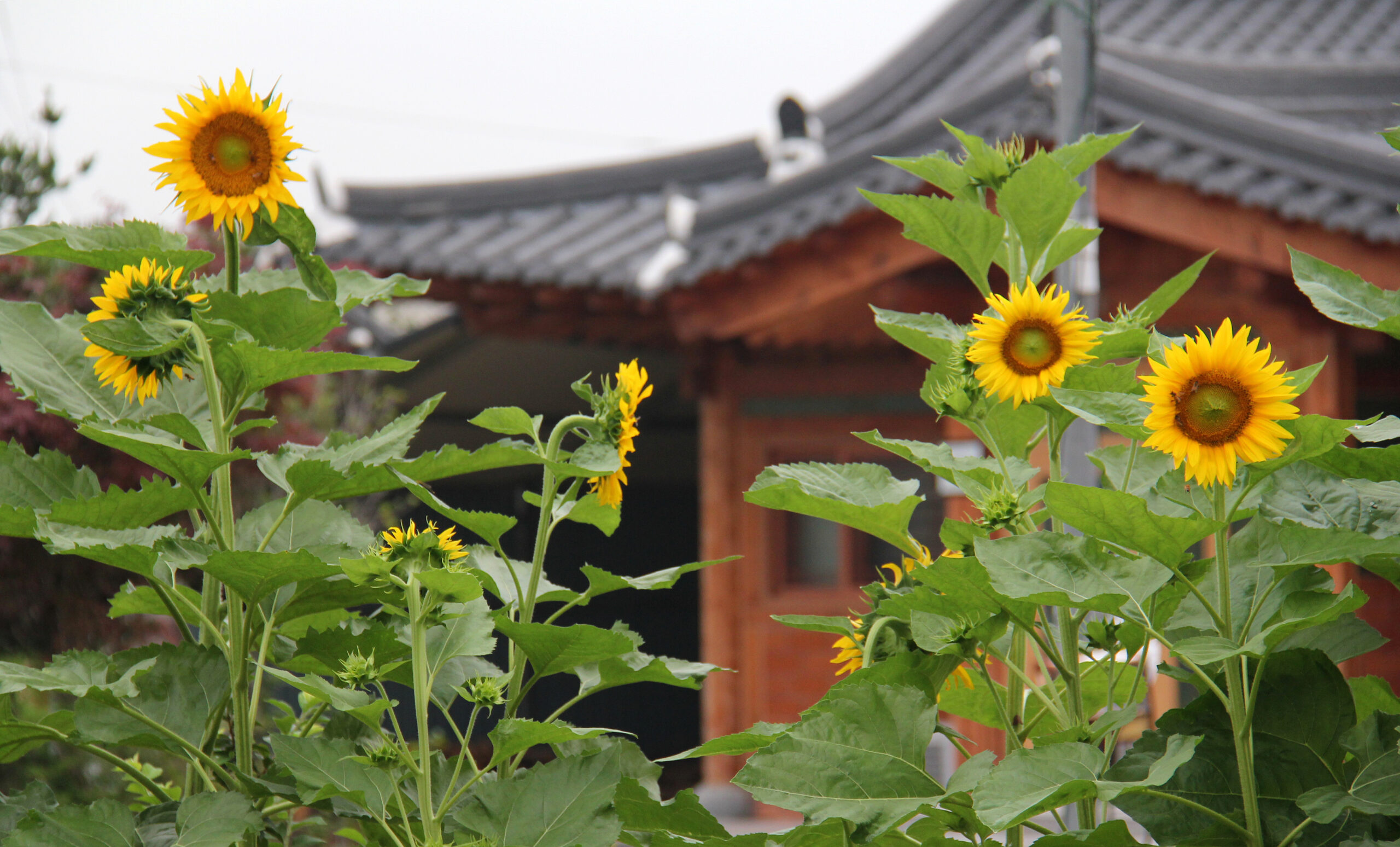
Photo: Jeon Han / Korea.net / Korean Culture and Information Service / Wikimedia Commons, CC BY-SA 2.0. Source. Resized by WordPress for display; no crop or color changes. The displayed resized version is available under the same license.

Understand what makes a hanok stay unique, what to check before booking, and how comfort and amenities can differ across traditional Korean accommodations.
The Practical Answer
A hanok stay means lodging in a traditional Korean house, recognized for its unique architecture and living arrangements. According to VISITKOREA, hanok accommodations may use floor bedding—traditional Korean futons placed directly on heated floors (ondol)—or, in some cases, Western-style beds. The level of modern conveniences, such as private bathrooms or air conditioning, varies by property. Some hanoks maintain a traditional atmosphere with minimal upgrades, while others incorporate contemporary comforts. Modern hanok-inspired hotels may replicate the architectural style but often include more standardized amenities and Western-style beds, so the experience can differ from staying in a preserved or restored hanok.
What to Check
Before booking, confirm the type of bedding offered. Some hanok properties use traditional floor bedding, while others provide beds. Heating systems also differ: many hanoks use ondol, the traditional underfloor heating, but some may have additional or alternative heating options. These details can affect your comfort, especially if you have specific preferences or physical needs related to sleeping arrangements or warmth.
Check whether bathrooms are private or shared, as this varies by property and can influence privacy and convenience. The Korea Tourism Organization’s Safe Stay registry lists hanok experience properties and notes that some categories, such as urban homestays, are legally limited to foreign tourists except for stated exceptions. Access details, such as whether the property is easily reachable and suitable for your travel plans, should also be verified. Booking processes may differ: some hanoks require advance reservations, especially during busy periods.
Limitations and What Varies
Comfort, amenities, and accessibility differ widely among hanok accommodations. Some offer only floor bedding, while others provide beds. Heating, bathroom facilities, and other conveniences are not standardized—some hanoks have private bathrooms, others only shared ones. Accessibility for families or travelers with mobility needs is not guaranteed and should be checked directly with the property. Noise levels may also vary, especially in urban hanok locations.
Legal and booking limitations apply to certain hanok categories. The Safe Stay registry specifies that urban homestays are restricted by law to foreign tourists, except for stated exceptions. Always confirm the eligibility and booking requirements for your chosen property.
Destination and property details should always be checked before booking, as availability and amenities can change. VISITKOREA identifies Jeonju Hanok Village, Gyeongju, and Andong as destinations with hanok or traditional-village experiences, but individual lodging examples and access vary. For a closer look at Jeonju Hanok Village, see the Jeonju Hanok Village guide. Always verify the current status and offerings of any hanok property before finalizing your plans.