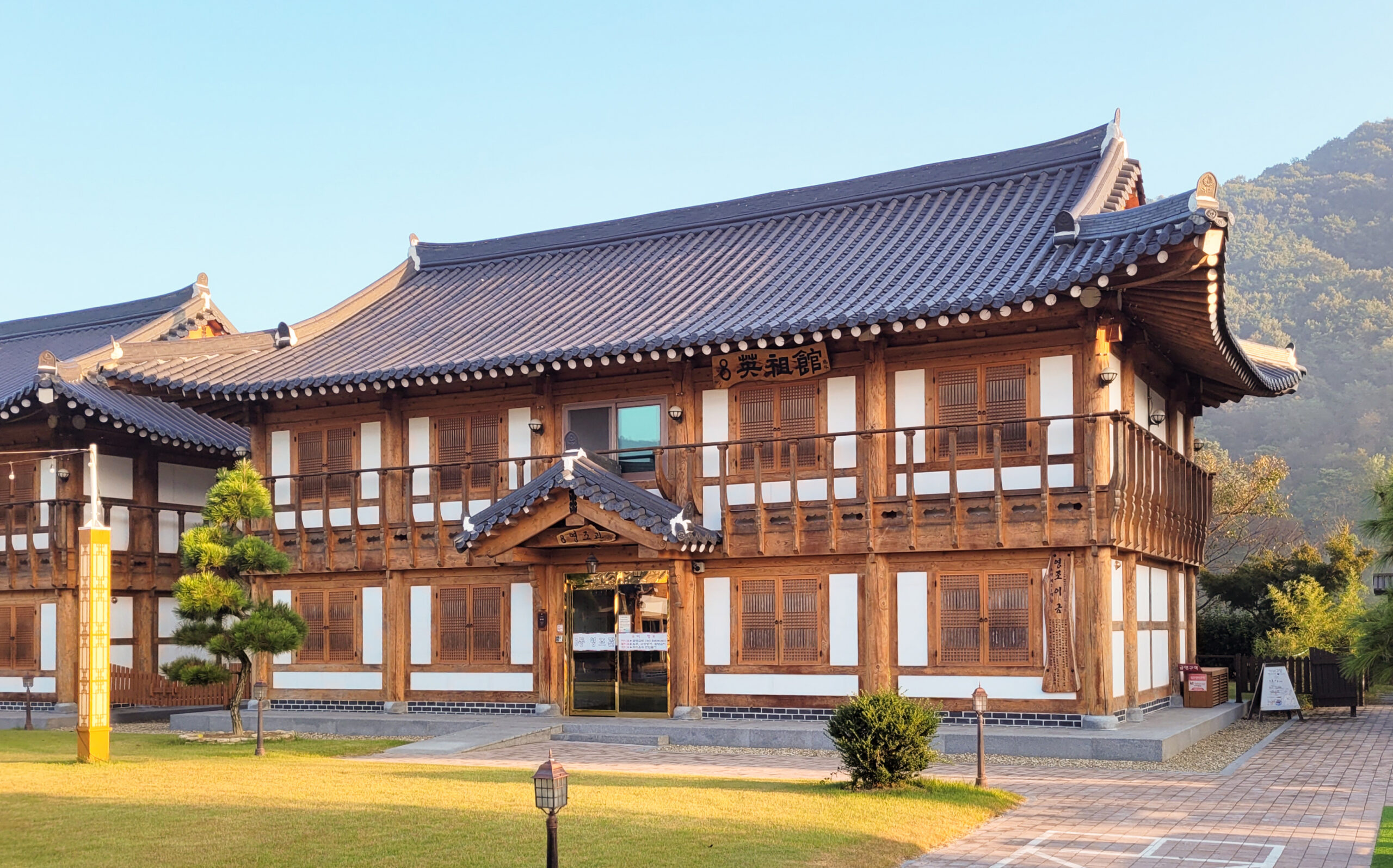
Photo: Bernard Gagnon / Wikimedia Commons, CC0 1.0. Source. Resized by WordPress for display; no crop or color changes.

Understand Korea’s diverse accommodation types, from traditional hanok stays to modern hotels, and learn how to compare options and check for key limitations before booking.
Accommodation Types in Korea
Korea offers a broad range of lodging, including hotels, motels, hanok accommodations, guesthouses, pensions, resorts, serviced apartments, and Templestay programs. Hotels range from business to luxury, while motels may use 'hotel' in their names but differ in facilities. Hanok stays provide traditional Korean-house lodging, with some offering floor bedding and others beds; modern conveniences such as air conditioning or Wi-Fi vary by property. Guesthouses can have dormitory or private rooms, sometimes women-only spaces, and bathrooms may be private or shared. Pensions range from small properties to pool villas, with amenities like barbecue, breakfast, and child or pet policies differing by property. Serviced apartments in Seoul are furnished residences for short- or long-term stays, with facilities and services specific to each property. Templestay programs offer one-day, experience-oriented, or rest-oriented stays at Buddhist temples, with schedules and activities set by each temple. For city-specific area advice, see the Seoul lodging guide and Busan lodging guide. For cultural stays, see Kignal Experiences.
How to Compare Lodging Options in Korea
To compare accommodation in Korea, check each property’s facilities, registration, and booking details. Hanok stays may offer floor bedding or beds, and the presence of modern amenities is not assured—review the property’s listing or contact them directly. Guesthouses may provide dormitory or private rooms, sometimes with women-only areas, and bathrooms can be private or shared. Services such as breakfast, parking, and check-in arrangements differ by property and should be verified before booking.
Pensions in Korea vary from small guesthouses to resort-like villas with pools. Facilities such as barbecue areas, breakfast, and policies for children or pets are not standardized and should be checked with each property. For Templestay programs, review the official site for the specific schedule and activities at your chosen temple.
The KTO Safe Stay registry lists categories such as foreign-tourist urban homestay, hanok experience, tourist pension, and hostel. Urban homestays are legally limited to foreign tourists except for stated exceptions, as defined by the Tourism Promotion Act Enforcement Decree. Always confirm a property’s registration and eligibility before booking, especially for homestays, and recheck any details that may affect your stay.
| Type | May suit | Sleeping and bathroom considerations | Possible advantage | Potential drawback | Verify before booking |
|---|---|---|---|---|---|
| Hotel | Travelers comparing hotel listings | Check the room and bathroom details on the property page | Listings range from business to luxury hotels | The label does not establish a specific service level | Room type, included facilities, check-in and cancellation |
| Business hotel | Travelers considering a business-oriented hotel listing | Confirm the named property’s room and bathroom | The label narrows the kind of hotel listing to compare | Facilities still vary by property | Exact amenities and booking terms |
| Motel | Travelers comparing a motel listing on its stated details | Do not infer a room standard or facilities from the name | Some listings use “hotel” in the name | Name and translation do not guarantee quality or registration | Registration, room facilities, payment and arrival terms |
| Yeogwan / inn | Travelers comparing a translated inn listing | Check the actual room, bathroom and property information | The translation can help interpret older lodging categories | “Inn” does not establish current registration, quality or amenities | Current property listing and terms |
| Hanok stay | Travelers interested in a traditional Korean house | Floor bedding or beds may be offered; amenities vary | Traditional-house setting | Comfort and accessibility vary | Bedding, heating, bathroom and access |
| Guesthouse / hostel | Travelers comparing dormitory or private-room options | Bathrooms may be shared or private | Some listings offer a choice of room types | Breakfast, parking and arrival arrangements differ | Room, bathroom, gender policy, luggage and check-in |
| Pension / resort | Groups comparing varied lodging, from small properties to resort-like pool villas | Room plans and facilities differ | A specific property may fit a group’s planned stay | Barbecue, breakfast, child and pet policies are not standardized | Guest capacity, fees, kitchen rules, parking and cancellation |
| Serviced residence | Travelers considering a furnished short- or long-term stay in Seoul | Confirm the layout, bathroom and service details | Furnished residence option in Seoul | Facilities and hotel-like services depend on the property | Location, included services, minimum stay and terms |
| Templestay | Visitors considering a temple program rather than a conventional hotel | Check the selected program’s overnight or day-use arrangement | One-day, experience-oriented and rest-oriented formats exist | Schedule and activities are set by each temple | Dates, rooming, language, meals, fees and cancellation |
Limitations and What to Double-Check
Accommodation labels in Korea—such as hotel, motel, guesthouse, pension, or inn—do not guarantee a specific room standard or amenity. Some motels use 'hotel' in their names, and the translated term 'inn' may group motels and yeogwan, but these labels do not establish a property’s registration, room quality, or facilities. Always review the actual property details rather than relying on the category name.
Guesthouses and pensions can differ widely in room types, amenities, and shared facilities. Bathrooms may be private or shared, and services like breakfast, parking, and party arrangements are not consistent. These details should be confirmed directly with the property, as there is no guarantee based on the accommodation type alone.
Urban homestays are subject to legal restrictions and are generally available only to foreign tourists, with exceptions specified by law. The Safe Stay registry and the Tourism Promotion Act define these limitations. Always check the latest regulations and confirm property eligibility before booking, as availability and legal status may change.