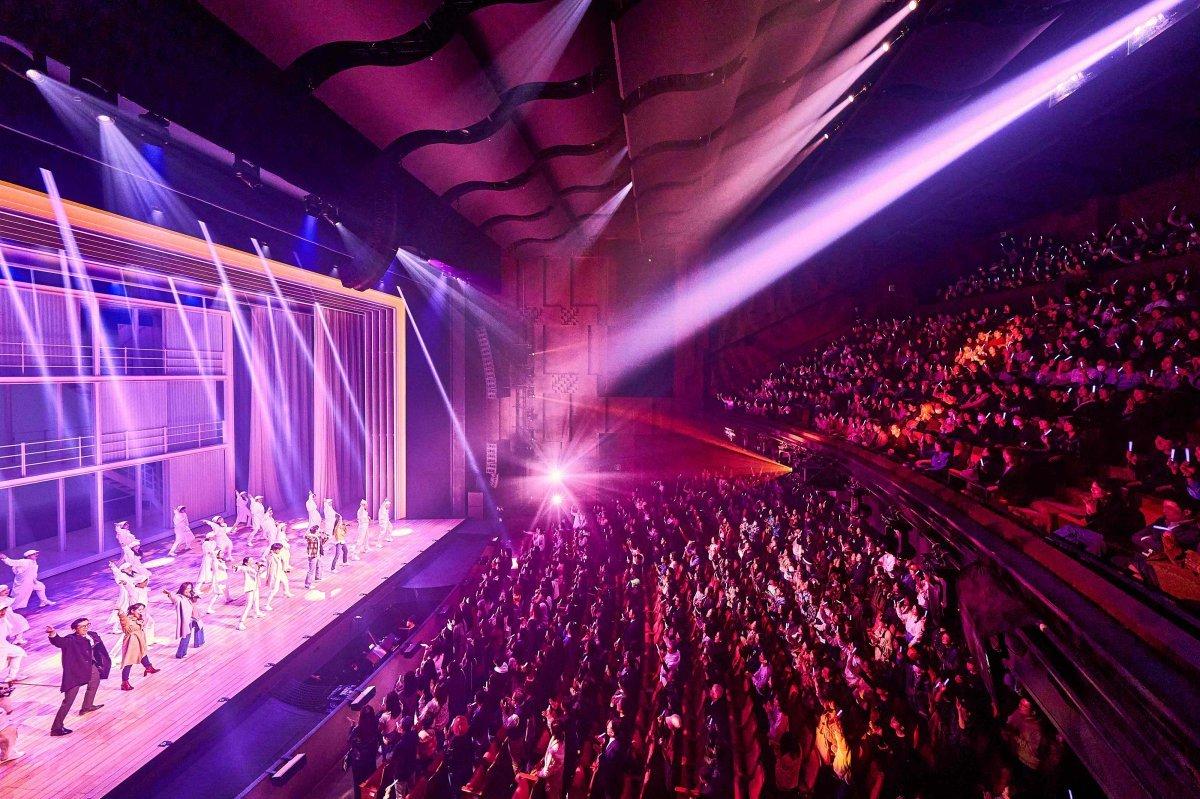
AI-generated illustration for Kignal. Not an actual event, venue photograph, or ticketing interface.
A practical guide to finding, booking, and attending Korean musicals and theater performances in Seoul, with essential steps and limitations for international visitors.
Where to Find Korean Musicals and How to Check Listings
Korean musicals and theater performances are concentrated in Seoul’s Daehak-ro district, which is recognized by the city’s official travel guide as a hub for theaters of various sizes. Visitors seeking current show listings should consult the Sejong Center and National Jeongdong Theater, both of which publish their own up-to-date performance schedules online. For broader information, the Seoul Theater Center offers details on shows, venues, and visitor guidance, including multilingual resources.
How to Choose a Show, Book Tickets, and Plan Your Visit
To select a Korean musical or theater show, start by reviewing listings from the Seoul Theater Center, which provides multilingual information and visitor support for Daehak-ro and other venues. The Sejong Center and National Jeongdong Theater also list their current and upcoming performances directly on their official websites.
Once you have chosen a performance, tickets can be booked through the official YES24 English ticket site. The platform includes a booking guide that walks users through selecting a date and time, choosing seats, and completing the purchase. Note that Global YES24 Ticket requires a separate membership from other YES24 services.
After booking, check the performance page for ticket collection instructions and required documents, as these can differ by show. The Sejong Center notes that late arrivals may face entry restrictions, and both cancellation deadlines and collection methods are specified in each performance’s guidance. The Jeongdong Theater’s ticket-opening notices list available ticketing channels and sale timing, but do not guarantee current availability.
For transport, Daehak-ro is accessible from Hyehwa Station on Seoul Subway Line 4. According to the city’s official guide, Exit 2 is approximately 127 meters from the main Daehak-ro address. For detailed subway navigation, refer to the Seoul Subway Guide.
What to Verify: Subtitles, Access, and Show Policies
Not all Korean musical performances offer multilingual subtitles. Some Daehak-ro theaters provide subtitle screens or smart glasses, but this is not standard for every production. Always check the official show or venue page to confirm subtitle availability before booking.
For specific productions, such as the National Jeongdong Theater’s 2026 staging of Arirang, Korean and English subtitles are confirmed. However, visitors should always review the current production page for the latest details on language support and show features.
Accessibility provisions, including wheelchair access, vary by venue. The Sejong Center publishes accessibility information for its theaters and directs visitors to venue-specific details. It is important to check the relevant venue’s page to confirm access arrangements for your chosen performance.
Ticket collection methods, required documents, and entry policies such as late arrival restrictions are determined by each performance and venue. The Sejong Center and YES24 both state that these details, along with cancellation deadlines and refund policies, are shown on the specific performance page. Always verify these requirements before finalizing your booking.
Schedules, cast lists, and other show details can change. The National Jeongdong Theater’s official page for Arirang, updated for December 2026, lists the performance schedule, duration, age rating, and other specifics. However, these are subject to updates, so always check the current production page for the latest information before purchasing tickets.
For accommodation planning, consult the Where to Stay in Korea guide. For detailed subway and transport planning, use the Seoul Subway Guide.