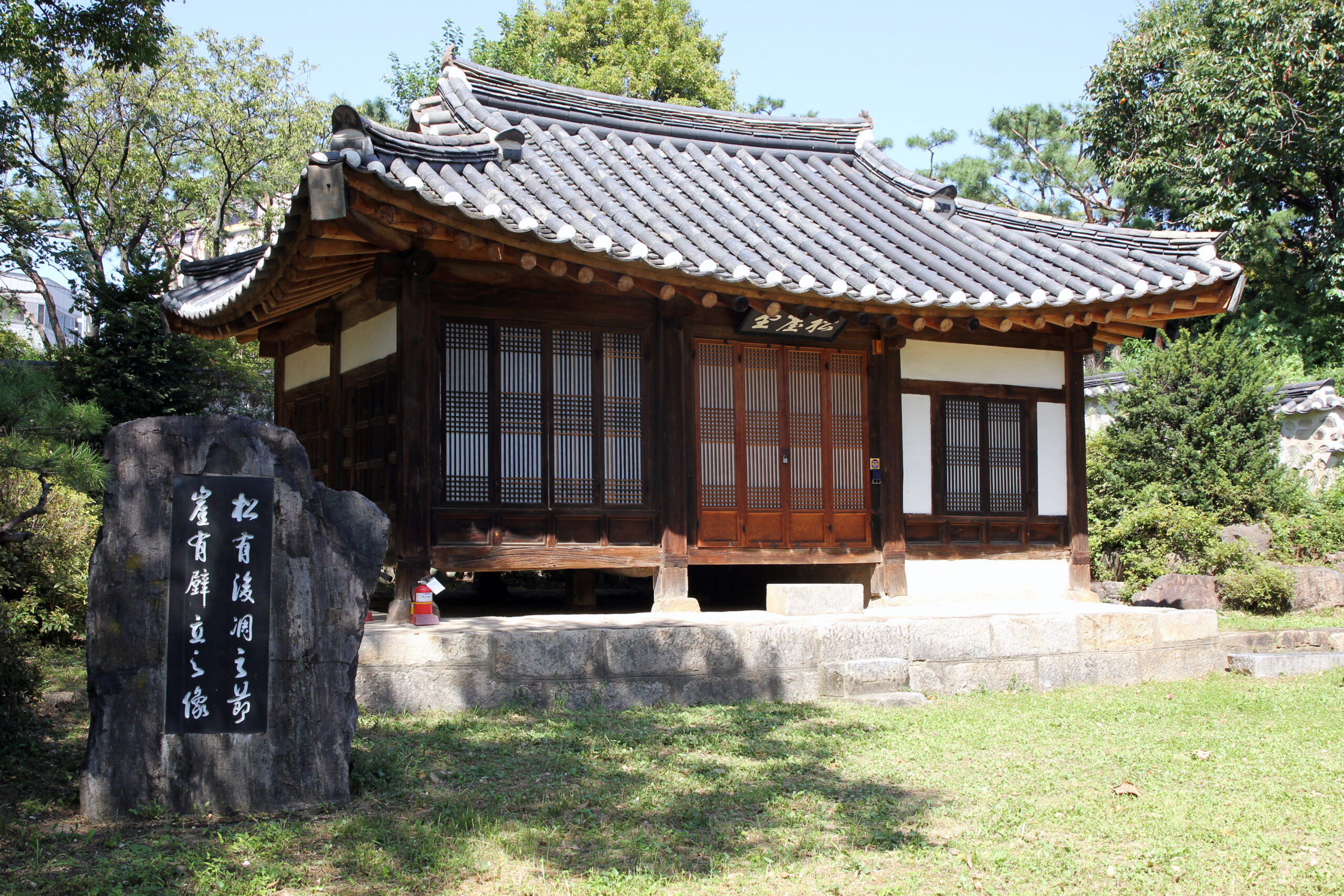
Photo: Rickinasia / Wikimedia Commons, CC BY-SA 4.0. Source. Resized by WordPress for display; no crop or color changes. The displayed resized version is available under the same license.

Understand the differences, practical checks, and legal limitations for guesthouses, hostels, and homestays in Korea—plus where to find city-specific lodging advice.
Understanding Dorms, Private Guesthouse Rooms, and Hostels
Guesthouses in Korea typically offer both dormitory and private rooms. Dormitories are shared sleeping spaces, sometimes with women-only options, and are generally the most budget-friendly choice for independent travelers. Private guesthouse rooms provide more privacy and are suitable for those seeking a quieter environment or traveling as a couple. Bathrooms may be either private or shared, so it is important to confirm the arrangement before booking. Hostels and guesthouses can also differ in their atmosphere, with some focusing on social interaction and communal spaces, while others are quieter and more relaxed. The Korea Tourism Organization’s Safe Stay registry lists categories such as hostels, guesthouses, hanok experiences, tourist pensions, and foreign-tourist urban homestays, each with their own eligibility and experience focus.
What to Check Before Booking
Before booking a guesthouse or hostel in Korea, check whether bathrooms are private or shared, as this affects comfort and privacy. Confirm arrangements for luggage storage, especially if you plan to arrive before check-in or depart after check-out. Security features vary, so look for details about key card access, locked entryways, or staffed reception. Arrival procedures can differ: some properties require advance notice or have limited check-in hours. Transport options are also important—verify proximity to public transit or the availability of shuttle services if needed. The Safe Stay registry provides property categories and can help identify which accommodations meet your needs.
Limitations, Legal Rules, and Where to Find More Guidance
Guesthouses and hostels in Korea may have varying policies on quiet hours, gender-specific dorms, parking, and breakfast. Some offer women-only rooms or dorms, while others are mixed-gender. Parking and breakfast availability differ by property—always check these details before booking. Party policies, check-in times, and other amenities such as breakfast or parking are not standardized and should be confirmed directly with each property.
Urban homestays are regulated under the current Tourism Promotion Act Enforcement Decree, which defines foreign-tourist urban homestay as resident-provided lodging in eligible urban homes for foreign tourists. By law, these homestays are generally limited to foreign tourists, except for specific exceptions. If you are considering a homestay, check the latest eligibility and registration rules, as regulations and permitted categories can change.
International visitors should always recheck the registration status and property-specific rules for their chosen accommodation, especially for urban homestays, as legal requirements and permitted categories may change. The Safe Stay registry is updated regularly and can be used to verify the current status of guesthouses, hostels, and homestays. For city-specific lodging recommendations and to help choose a convenient base, see Kignal’s guides for major destinations such as Seoul and Busan.