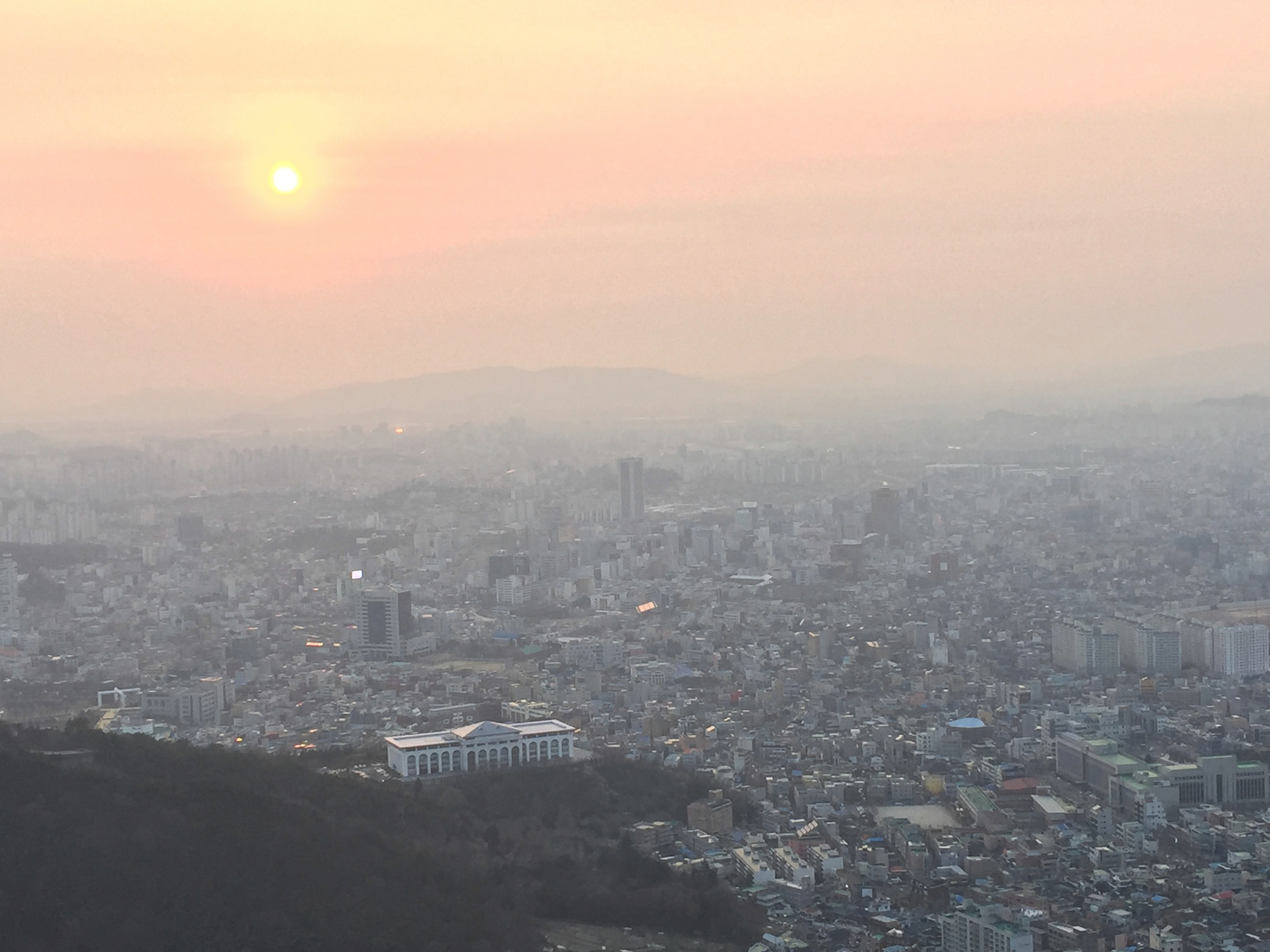
Photo: Avillageofbigheads / Wikimedia Commons, CC BY-SA 4.0. Adapted with KIGNAL_SIGNATURE_V1; documentary content unchanged.

Plan your independent visit to Gwangju with practical guidance on reaching key cultural and historical sites, understanding May 18’s significance, and navigating local transit, hours, and access.
Why Gwangju Matters for Culture and History
Gwangju is recognized for its pivotal role in South Korea’s modern history, especially as the site of the May 18 Democratic Uprising. From May 18 to 27, 1980, citizens of Gwangju led a major uprising against authoritarian rule, resulting in significant loss of life and shaping the nation’s democratic movement. Central sites such as the May 18 Democratic Uprising Archives and May 18 Democracy Square commemorate these events and serve as reminders of the city’s resilience and the ongoing pursuit of democracy.
Visitors are encouraged to approach May 18 sites with respect, recognizing the sacrifices made during the uprising. The Archives and Democracy Square are not only historical landmarks but also places of remembrance for those who fought for democratic freedoms. Engaging thoughtfully with exhibits and memorials honors this legacy and provides deeper insight into Gwangju’s cultural identity.
Yangnim-dong, another notable area, is described by Gwangju tourism as a neighborhood blending modern and traditional architecture, religious and educational heritage, and narrow lanes. It offers a distinct perspective on the city’s cultural evolution.
Cultural and Historical Experiences in Gwangju
Gwangju’s central area offers several key sites for cultural and historical exploration. The Asia Culture Center (ACC) features exhibitions, programs, and free-entry facilities such as the ACC Archive & Research and Asia Culture Museum. Some exhibitions and programs have separate charges. The May 18 Democratic Uprising Archives preserves records of the 1980 uprising and is open to the public with free admission. May 18 Democracy Square, extending from the former provincial government office area to Geumnam-ro, is identified as a landmark site of the uprising.
Yangnim History and Culture Village in Nam-gu is a public neighborhood open at all times with no admission fee. It is known for its mix of modern and traditional architecture, religious and educational sites, and narrow lanes. While the neighborhood itself is always accessible, individual cultural venues within Yangnim-dong have separate access and hours, so visitors should check details for each site they wish to enter.
For a practical food stop near the rail station, the 1913 Songjeong Station Market is located directly across from Gwangju-Songjeong Station. The market offers foods such as hotteok, gyeran bap, and eomuk. Its hours are 11 a.m.–10 p.m. Monday–Thursday and 11 a.m.–11 p.m. Friday–Sunday, with closure on the second and fourth Mondays.
When planning a central-area day route, note that the May 18 National Cemetery is in Buk-gu, separate from the central ACC and May 18 Archives area as well as Yangnim-dong. It is a memorial site and should be planned as a separate visit, not as a nearby walking stop. The ACC and May 18 Archives are centrally located and accessible by metro, while Yangnim-dong is also within the city but requires its own transit or walking plan.
Arrival and Local Transit Connections
Travelers from Seoul can reach Gwangju via KTX on the Honam rail corridor, arriving at Gwangju-Songjeong Station. KORAIL provides date-specific schedules and reservations, so travelers should check current options before departure. From Gwangju-Songjeong Station, visitors can transfer directly to Gwangju Metro Line 1 at Exit 1. For the Asia Culture Center, the nearest metro stop is Culture Complex Station, as identified in official directions. The official Gwangju tourism guide also describes connections by subway and bus from Gwangju-Songjeong Station, and travelers should confirm exact routes on their travel date.
Access, Hours, and Planning Limitations
The Asia Culture Center’s indoor facilities generally operate from 10 a.m. to 6 p.m., with Archive & Research and Creation areas open later on Wednesdays and Saturdays. The ACC closes on Mondays and New Year’s Day, and schedules can change with specific programs. Admission to the ACC Archive & Research and Asia Culture Museum is free, while some exhibitions and programs have varying charges.
The May 18 Democratic Uprising Archives is open from 9 a.m. to 6 p.m., offers free admission, and is closed on Mondays and holidays. Yangnim History and Culture Village is always open with no admission fee, but individual venues within the neighborhood have separate access and hours that should be checked in advance.
The May 18 National Cemetery is located in Buk-gu, away from the central ACC and May 18 Archives area and Yangnim-dong. It should be planned as a separate visit, not as part of a central walking route.
For return travel to Seoul, visitors should use Gwangju-Songjeong Station on the Honam rail corridor. KORAIL provides date-specific schedules and reservations for KTX services. Travelers should verify available outbound and return train options for their intended travel date.
Continue planning
Browse Kignal destination guides, including the Suwon Hwaseong day-trip guide for another Korean history-focused visit. See the Gwangju destination hub and Jeolla regional hub for related planning.