When to visit Korea
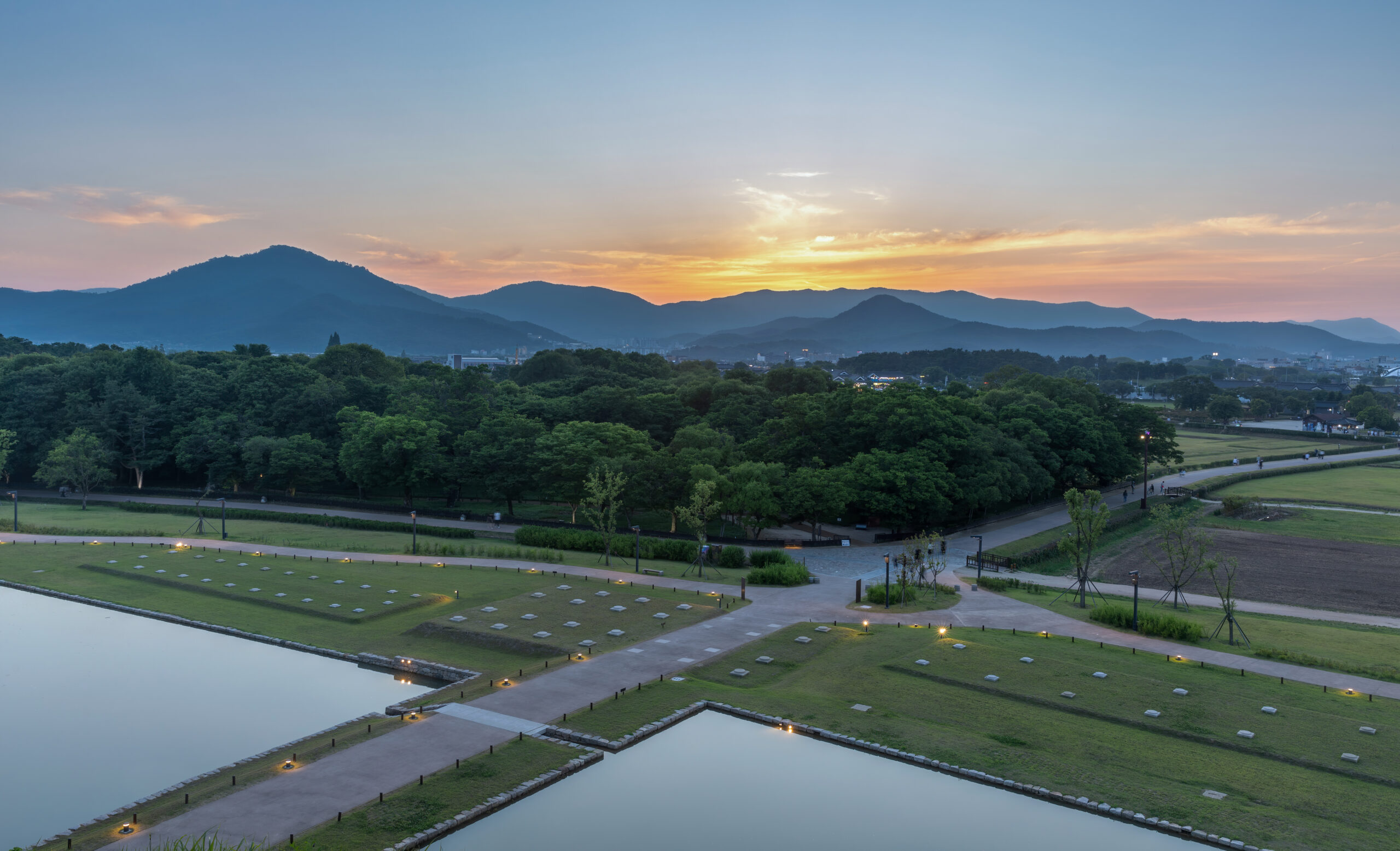
Sunset over the Tumuli Park in Gyeongju Historic Site Wolseong District South Korea.jpg by Basile Morin, CC BY-SA 4.0.

How to read the climate figures
The Korea Meteorological Administration (KMA) says Korea has four distinct seasons: spring, summer, autumn, and winter. KMA’s station table uses 1991-2020 normals for 62 representative inland stations, with Jeju handled separately. Those figures describe a long-term climate pattern. They are not the forecast for a particular travel week, and this page does not call any month or season universally best.
Place detail is on the Seoul and Busan pages. The city list is on Destinations.
Spring
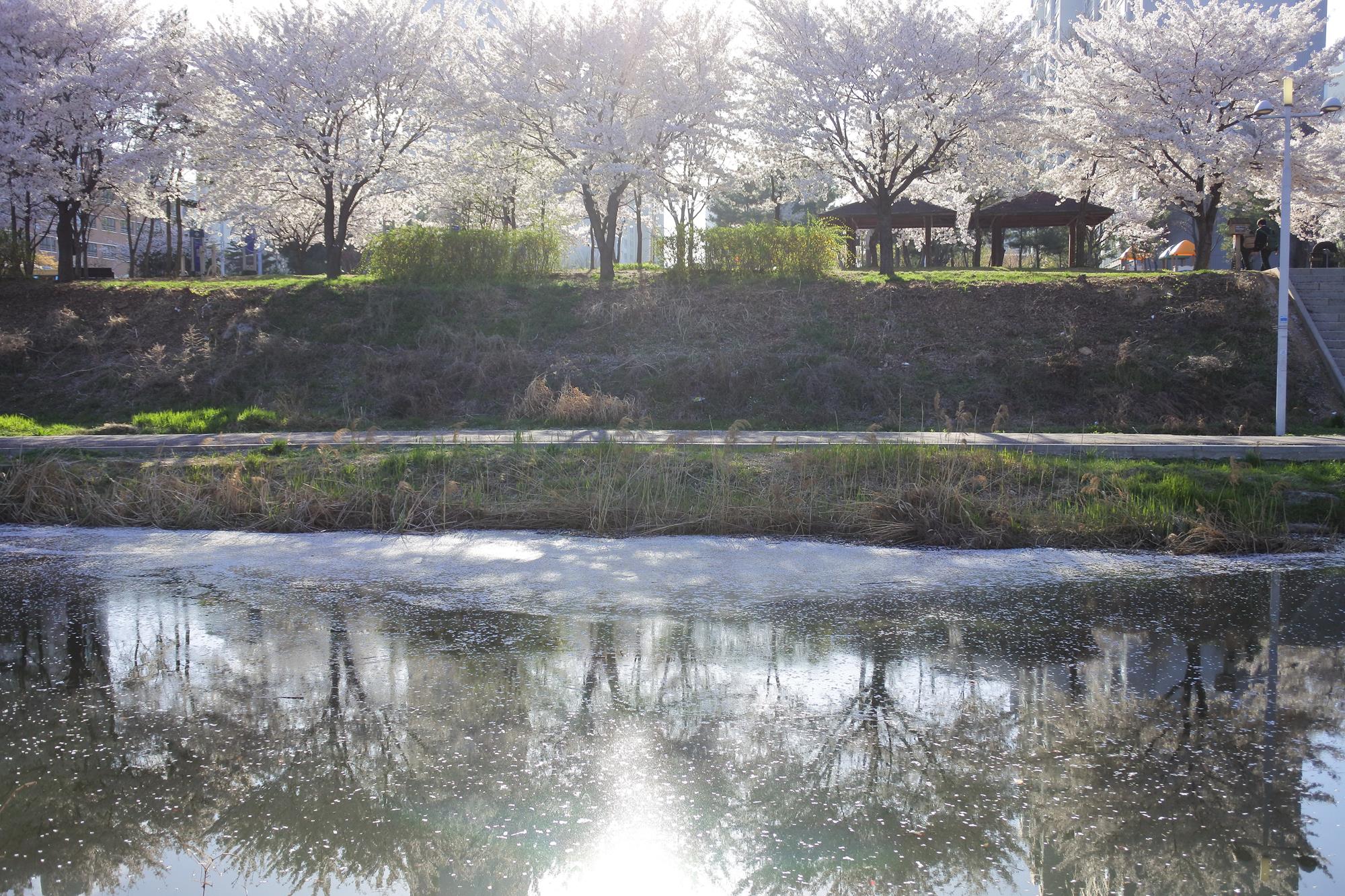
Korean Cherry Blossoms in Ansan.jpg by Ken Eckert, CC BY-SA 4.0.

KMA describes spring and autumn as clear and dry, summer as hot and humid, and winter as cold and dry. KMA says monthly mean humidity is 59-60 percent in March and April. Visit Korea recommends spring (March-May) or fall (September-November) when the traveler wants moderate temperatures for walking. That note is about walking conditions. It does not pick one month over the rest of the year.
Summer
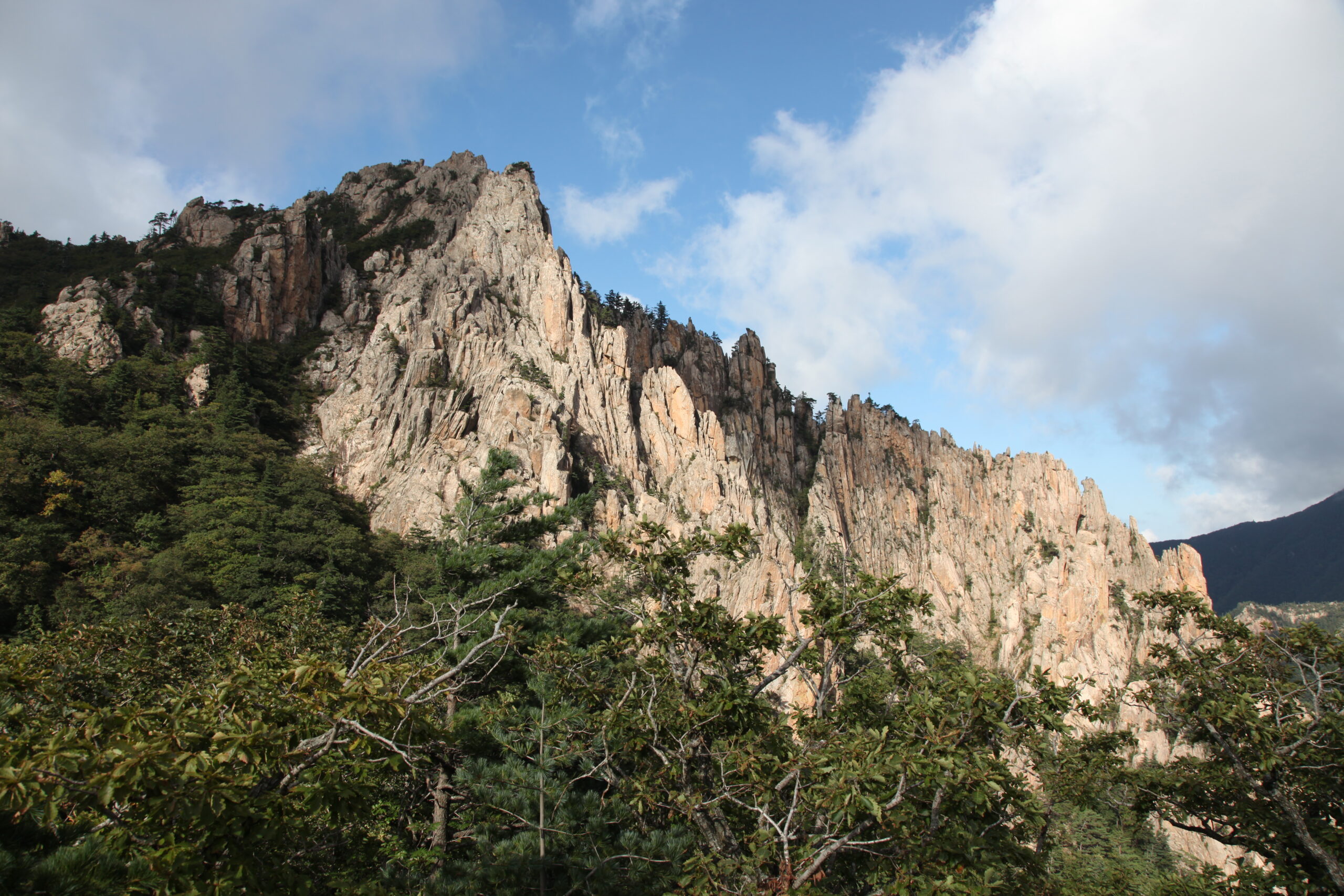
Seoraksan National Park, Summer.jpg by Olga Lipunova, CC BY-SA 3.0.

On those 1991-2020 normals, KMA gives August monthly mean temperatures of 19.7-26.7°C across the stations. KMA says summer precipitation is 710.9 mm, 54 percent of the annual total. KMA says monthly mean humidity is 78-79 percent in July and August. KMA says the rainy season begins in Jeju in late mid-June, then the south, then the central region, and lasts about 31 days on the mainland and 32.4 days in Jeju. Visit Korea says a summer visit (June-August) can suit beach and water activities. The rain, humidity, and beach note sit in the same season, so a summer trip is a tradeoff rather than a single answer.
Autumn
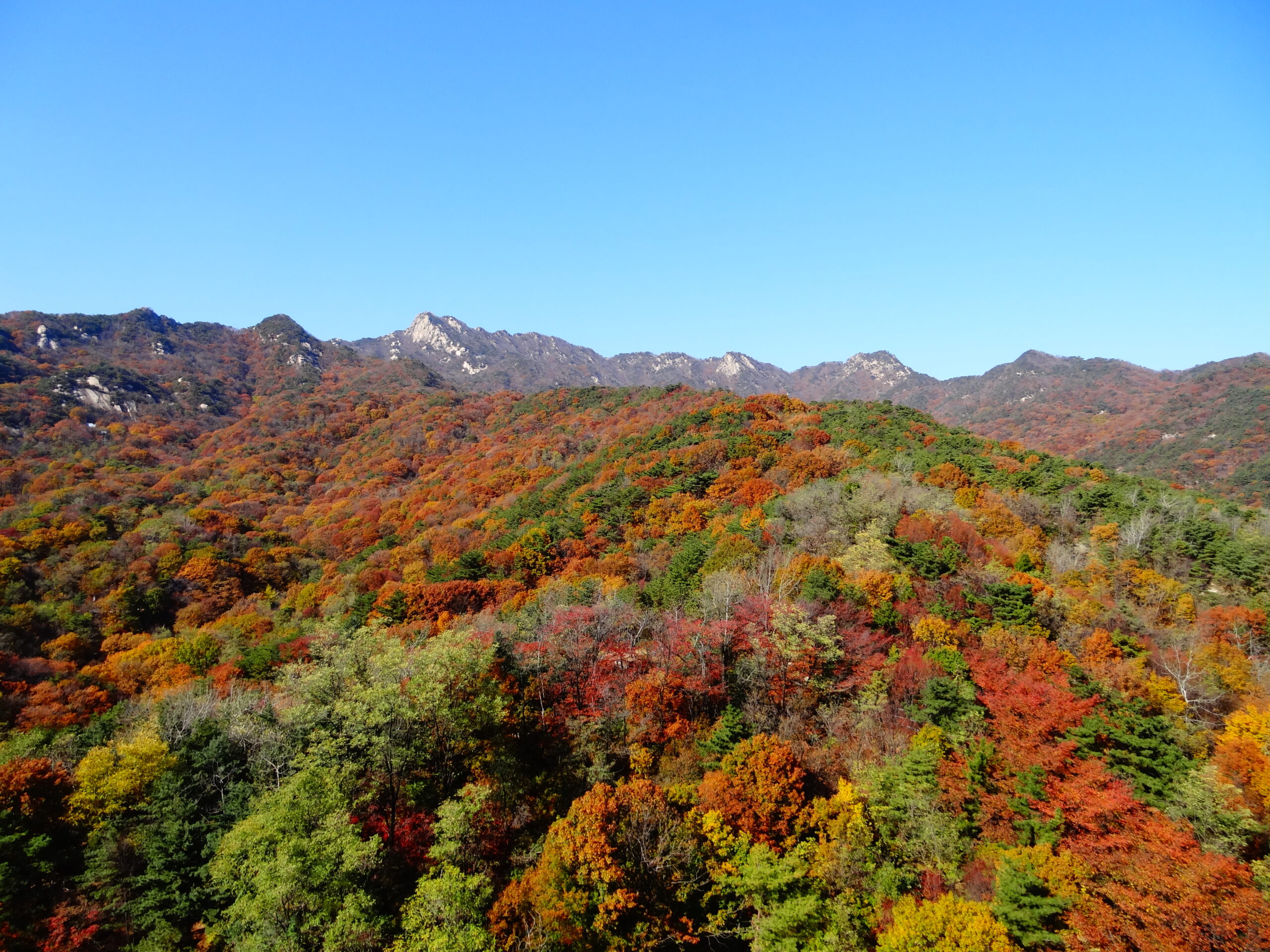
Landscape of Bukhansan with colored leaves in September (from southern side).jpg by Ingu Kang, CC BY-SA 4.0.

KMA describes autumn as clear and dry. Visit Korea’s walking note also covers fall (September-November) when the traveler wants moderate temperatures for walking. Autumn shares that practical case with spring. It is not ranked above summer or winter here.
When fall foliage timing is the next decision, compare destinations in the Korea Fall Foliage 2026 guide.
Winter
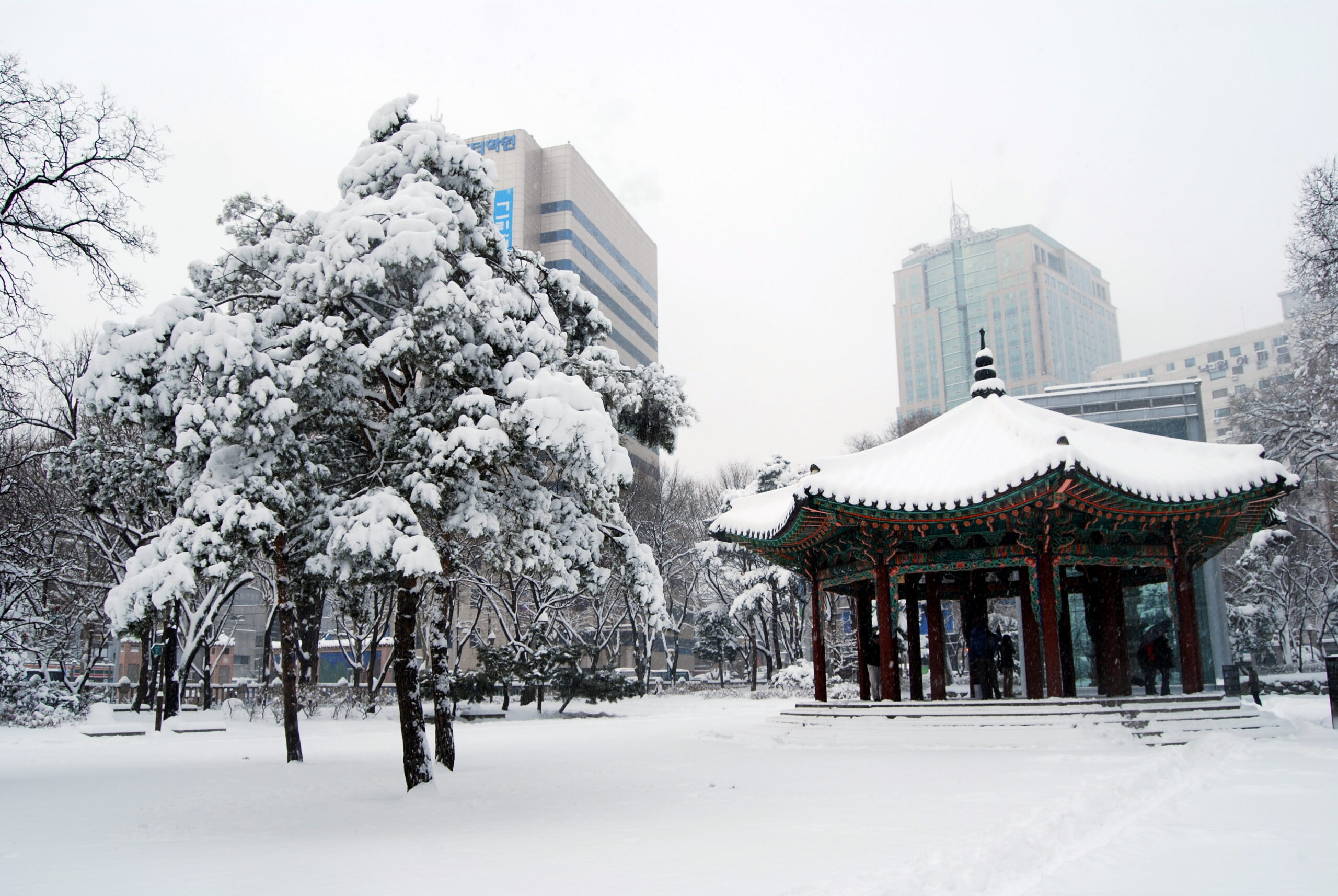
Heavy snow in Seoul, 4 Jan. 2010 – Covered the park with snow.jpg by Mark & Emma Hambleton & Dolan, CC BY-SA 2.0.

On those 1991-2020 normals, KMA gives January monthly mean temperatures of -6.9 to 3.6°C across the stations. KMA’s English climate page says winter precipitation is less than 10 percent of the annual total. The same page says Korea often has heavy snowfalls in winter. Visit Korea describes winter (December-February) as a season for snowy walks and hot-spring baths, alongside other seasonal options.
Packing implications
Visit Korea tells winter travelers to pack for cold waves. It says chilly weather often lasts until mid-March and suggests outerwear. It says the end of July through August may be extremely hot and humid. Travelers should check typhoon or heavy-rain advisories before and during a trip. These are seasonal cautions. They are not a forecast for one departure date.
What a season guide cannot decide
Visit Korea says travelers should check real-time weather reports because patterns change. Check again near departure. Climate normals and a short-term forecast answer different questions, and this page does not replace the forecast. Conditions can change. Use KMA or Visit Korea for the current notice rather than treating this guide as an operator update.